



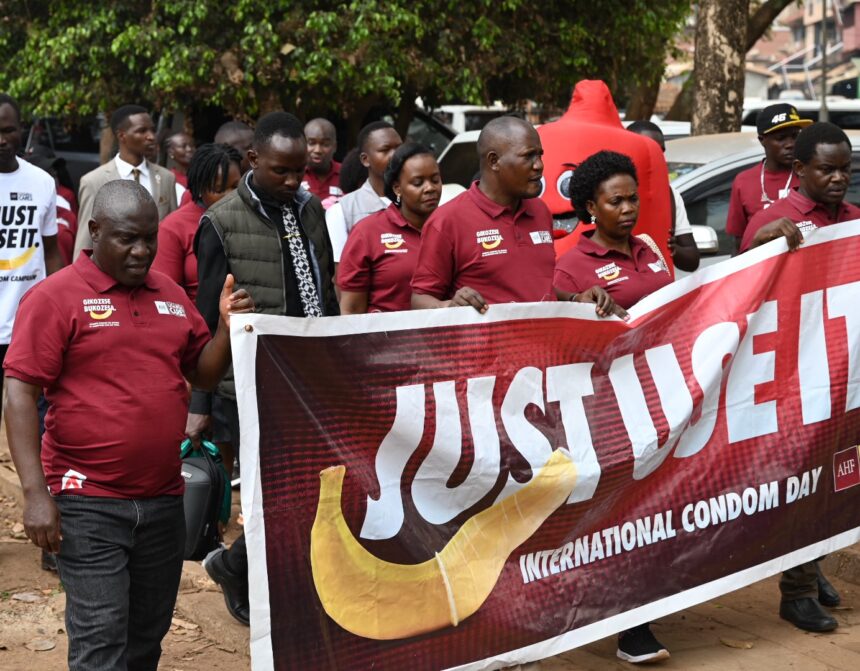
Uganda has renewed calls for stronger HIV prevention efforts, with health and parliamentary leaders urging communities to embrace consistent condom use and other proven interventions to curb new infections.
The call was made during the launch of a national Condom Awareness and Use Campaign, where Henry Magala, Country Director of AHF Uganda Cares, and Steven Kisa, Chairperson of Parliament’s Committee on HIV/AIDS and Related Matters, stressed that prevention must remain at the centre of Uganda’s HIV response.
Magala said Uganda had made significant progress in controlling HIV, but warned that the country still faces a considerable burden of new infections and HIV-related deaths.
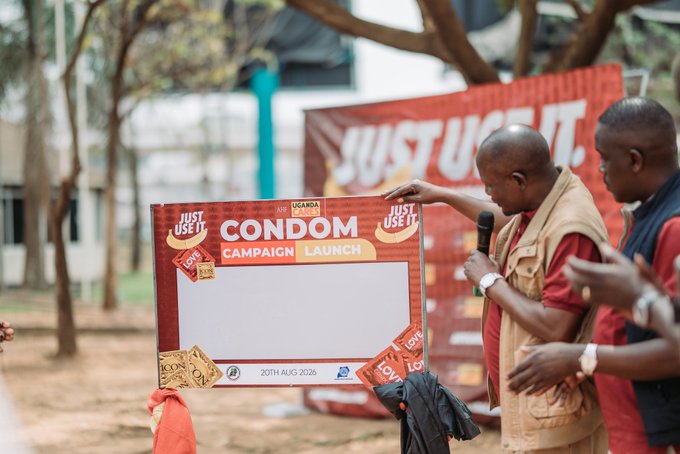
He said recent figures cited from UNAIDS and the Uganda AIDS Commission show about 37,000 new HIV infections and 17,000 deaths, indicating that Uganda is yet to reach the point where HIV can cease to be considered a public health threat.
Magala attributed Uganda’s earlier success to a combination prevention strategy involving behaviour change, abstinence among young people, condom use, voluntary medical male circumcision and biomedical interventions such as PrEP.
He urged stakeholders to revitalise these approaches, arguing that condoms remain one of the most affordable and accessible tools for preventing HIV and other sexually transmitted infections.
Magala cited evidence showing that investment in HIV prevention delivers significant long-term savings, with UNAIDS estimating that every dollar invested in prevention can save seven dollars in future treatment costs.
However, he expressed concern over low condom utilisation, noting that only 58 percent of men and 37 percent of women aged 15 to 49 use condoms, while usage among young women aged 15 to 24 stands at 37 percent.
Kisa, meanwhile, called for greater personal responsibility, particularly among men, in protecting themselves, their partners and families from HIV.
He urged men to test regularly, openly discuss HIV prevention with their partners and use condoms correctly and consistently where appropriate.
Kisa stressed that HIV prevention should not be left to women, saying men have an equally important role in making responsible sexual and reproductive health decisions.
He also called for prevention programmes to deliberately reach communities facing greater vulnerability to HIV, while ensuring that prevention information and commodities are affordable, accessible and available to those who need them.
As Parliament’s HIV/AIDS committee chairperson, Kisa pledged continued legislative, budgetary and oversight support for Uganda’s HIV response. He said Parliament would continue advocating for sustainable financing for prevention and treatment and protecting the gains made in the fight against HIV.
Both leaders called for government, civil society, development partners, the private sector, religious and cultural leaders, parents, communities and the media to work together to improve HIV prevention.
Magala said the campaign seeks to confront stigma, myths and misconceptions surrounding HIV prevention, while Kisa urged the media to communicate prevention messages accurately and responsibly without reinforcing stigma.
Their calls come amid continuing concerns over low condom uptake in Uganda, with recent reporting also highlighting gaps between condom supply and the estimated national need.
The leaders said Uganda can reduce new infections if prevention remains a national priority and Ugandans are empowered with accurate information, accessible prevention commodities and stigma-free health services.