



Uganda is turning to self-care as a potentially transformative strategy to reduce pressure on an overstretched health system, improve productivity and accelerate the country’s progress towards universal health coverage.
Health sector stakeholders are urging Parliament, the Ministry of Health and other government agencies to make self-care a central part of Uganda’s healthcare strategy, arguing that empowering individuals to prevent, monitor and manage selected health conditions could reduce unnecessary hospital visits and lower healthcare costs for households.
The push comes amid growing concern over the burden of non-communicable diseases, including cancer, hypertension, diabetes, stroke, mental health conditions, sickle cell disease and asthma.
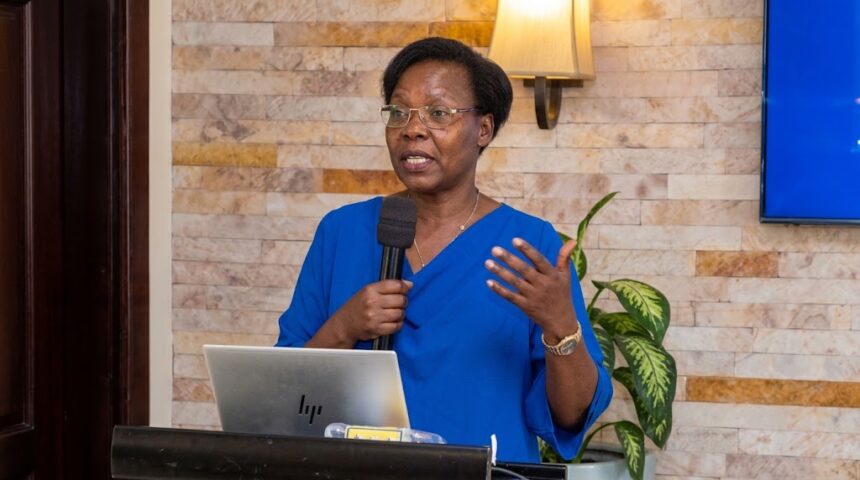
According to Roseline Achola-Technical Advisor- SRH/Selfcare/Family planning -Ministry of Health -Uganda, Uganda has already developed national self-care guidelines and established a dedicated self-care unit within the Ministry of Health as the country seeks to integrate self-care into existing health programmes.
Why self-care matters to Uganda’s economy
The argument for self-care goes beyond reducing hospital queues.
She says a healthier population is more productive, while excessive time and money spent seeking medical care can push families into financial hardship.
“Self-care is the health way of looking after yourself,” officials told Members of Parliament, stressing that individuals, families and communities can take steps to promote health, prevent disease, maintain good health and cope with illness, with or without direct support from a health worker.
The economic implications are significant.
When preventable illnesses keep people away from work, businesses lose productive hours while households face medical expenses and transport costs. The health sector also absorbs resources treating conditions that could, in some cases, be prevented or managed earlier.
Achola warned that expensive healthcare can impoverish families, particularly when serious diseases such as cancer are detected late.
Uganda’s growing NCD challenge
Non-communicable diseases are emerging as one of the biggest threats to Uganda’s health system.
Health stakeholders cited cancer, hypertension, diabetes, stroke, mental health conditions, sickle cell disease and asthma among the conditions placing growing pressure on health services.
The problem is particularly significant for Uganda as a low- and middle-income country, where health systems already face substantial demand and limited resources.
Officials argue that greater self-care awareness could help people identify risks earlier and manage appropriate conditions before they require hospital-based intervention.
The approach covers three broad areas, self-awareness, self-testing and self-management.
Self-awareness involves obtaining reliable health information and using it to make informed decisions. Self-testing allows people to carry out selected tests at home, while self-management focuses on managing appropriate health conditions and treatments outside routine hospital visits.Digital technology could expand access
Uganda is also looking at education, technology and community engagement as key drivers of self-care.
Health officials say digital platforms can help people access health information and manage aspects of their health without always having to travel to a health facility.
The Ministry of Health is working with other government sectors, including education and gender institutions, while universities, health professionals, religious leaders, cultural leaders and Members of Parliament are being brought into the campaign.
The strategy is intended to make self-care part of Uganda’s broader health system rather than treating it as a stand-alone intervention.
The vision is to integrate self-care into existing government programmes, strengthen primary healthcare and promote collaboration across sectors as a pathway towards universal health coverage.
Parliament gets a bigger role
Stakeholders are now calling on MPs to champion self-care both in Parliament and in their constituencies.
They want lawmakers to support legislation, financing, oversight and public awareness around self-care, sexual and reproductive health and equitable access to healthcare.
The strategy also requires stronger health literacy among the population, with healthcare professionals expected to give patients practical advice on preventing illness and managing appropriate conditions at home.
T