



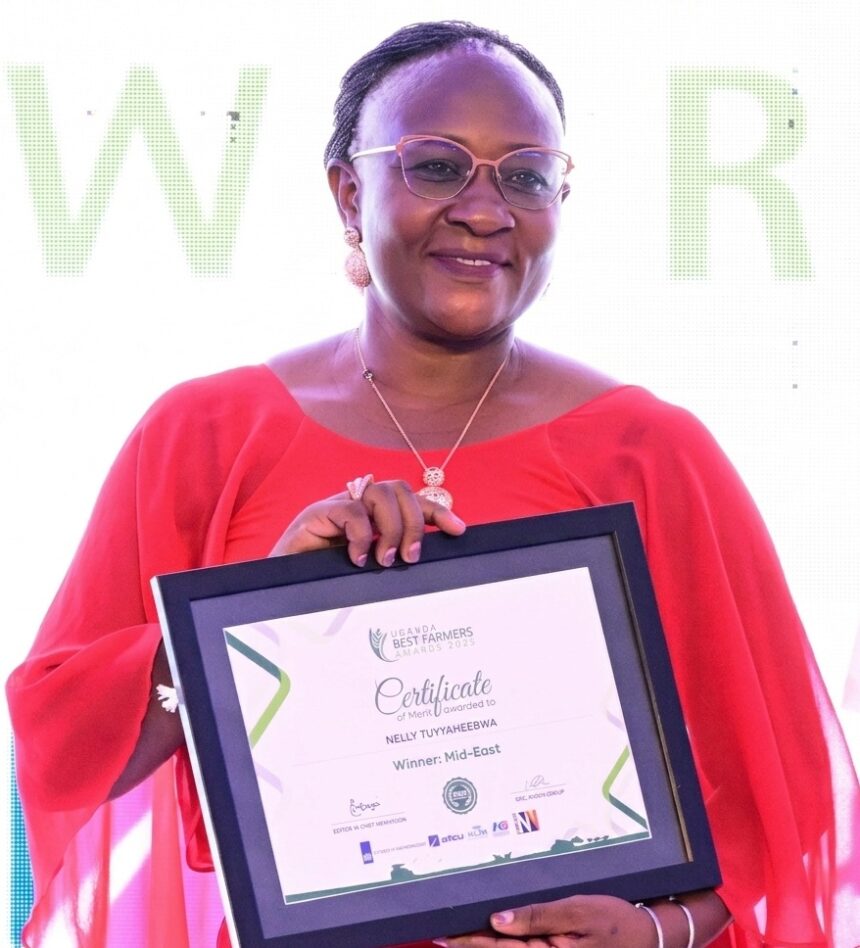
On just half an acre in Tororo District, Nelly Turyamuhebwa has built an integrated farming enterprise generating millions of shillings every month while supplying major institutional clients across Uganda.
What makes Mamikki Farm remarkable is not the size of the land, but the efficiency, planning and commercial structure behind the operation.

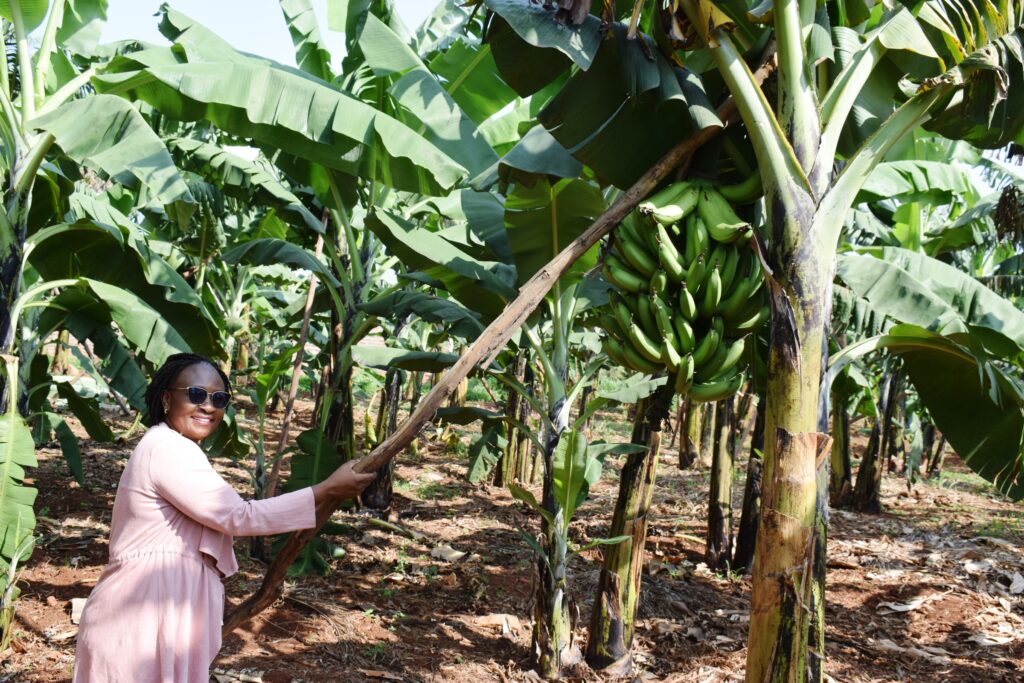
The farm combines dairy farming, poultry, piggery and banana cultivation within an integrated system where each unit supports the other. Waste generated from one enterprise becomes input for another, helping minimise costs while maximising productivity and sustainability.
“I grew up seeing farming provide everything for us,” Turyamuhebwa says. “My parents paid for my education through milk sales. As I grew older, I realised farming was not just a way of life, it was a serious source of income.”
After leaving formal employment to focus fully on agribusiness, she began building what has evolved into one of the region’s most productive small-acreage farms.
Today, Mamikki Farm manages 34 dairy cows producing up to 380 litres of milk daily. Its poultry unit has emerged as the farm’s strongest revenue generator, earning more than UGX 25 million monthly, while the dairy section contributes approximately UGX 12 million in monthly income.
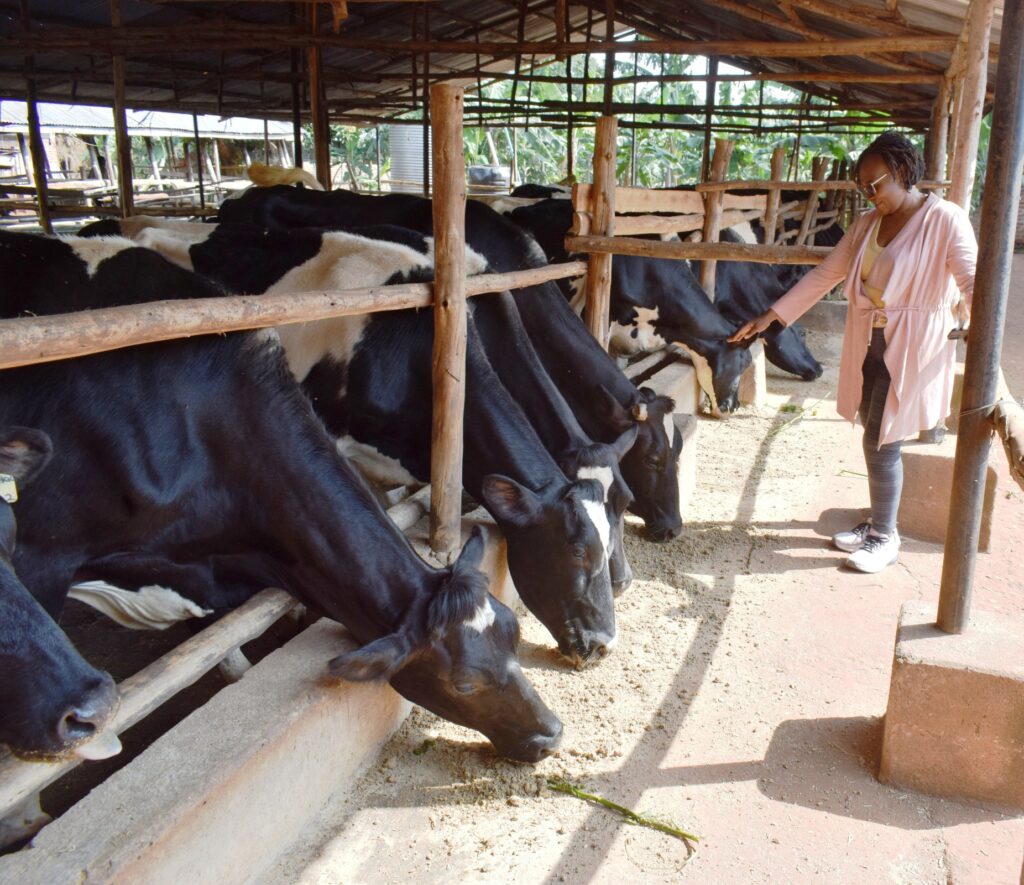
The farm supplies individual consumers alongside institutional clients including Busitema University and Simba Cement.
Her success reflects a growing shift within Uganda’s agricultural sector, where farmers are increasingly adopting commercial, efficiency-driven models supported by financing, technical training and market access.
dfcu Bank has positioned itself among the financial institutions backing this transition through its dedicated agribusiness segment, which supports players across the agricultural value chain including farmers, processors, traders and exporters.
Agriculture has remained central to dfcu Bank’s operations since its establishment in 1964 as a development finance institution. Over time, the bank has expanded beyond traditional lending into broader support systems that include business advisory services, financial literacy, mechanisation financing and market linkage programmes.
Its financing models are structured around agricultural realities, offering seasonal working capital aligned to production cycles, flexible repayment plans and asset financing that reduces the burden of large upfront investments for farmers seeking to scale operations.
Beyond financing, the dfcu Foundation has also invested heavily in farmer capacity building through training, mentorship and agribusiness acceleration programmes. Since 2018, the initiative has supported tens of thousands of farmers and agribusinesses across Uganda and is targeting an additional 100,000 beneficiaries over the next five years, particularly women and youth.
Turyamuhebwa’s profile rose further after she emerged among the winners in the Best Farmers initiative organised by Vision Group in partnership with dfcu Bank, the Embassy of the Kingdom of the Netherlands, KLM Royal Dutch Airlines and Koudijs Animal Nutrition.
“The judges were struck by how much is happening on such a small piece of land and the amount of money it generates,” she explains.
Following her recognition in the 2025 Best Farmers Awards, she reinvested her UGX 7 million prize into purchasing a chaff cutter to improve feed preparation and dairy efficiency as part of a broader expansion strategy that includes yoghurt production through value addition.
“This award has made me a popular farmer in Tororo and beyond,” she says. “Many people, especially women, are reaching out to me for advice. I no longer look at farming as a dirty job, the way many people used to see it.”
Turyamuhebwa is now working with dfcu Bank to secure additional financing that will enable her to expand the farm to a full acre and establish a farmer training centre focused on integrated farming and agribusiness management.
As she prepares for a study visit to the Netherlands, her focus remains on learning how advanced agricultural systems can be adapted locally to improve efficiency, productivity and long-term sustainability.
Her journey reflects a broader transformation taking shape in Uganda’s agricultural economy, where farming is increasingly evolving from subsistence activity into commercially viable enterprise driven by innovation, knowledge and strategic financing.