



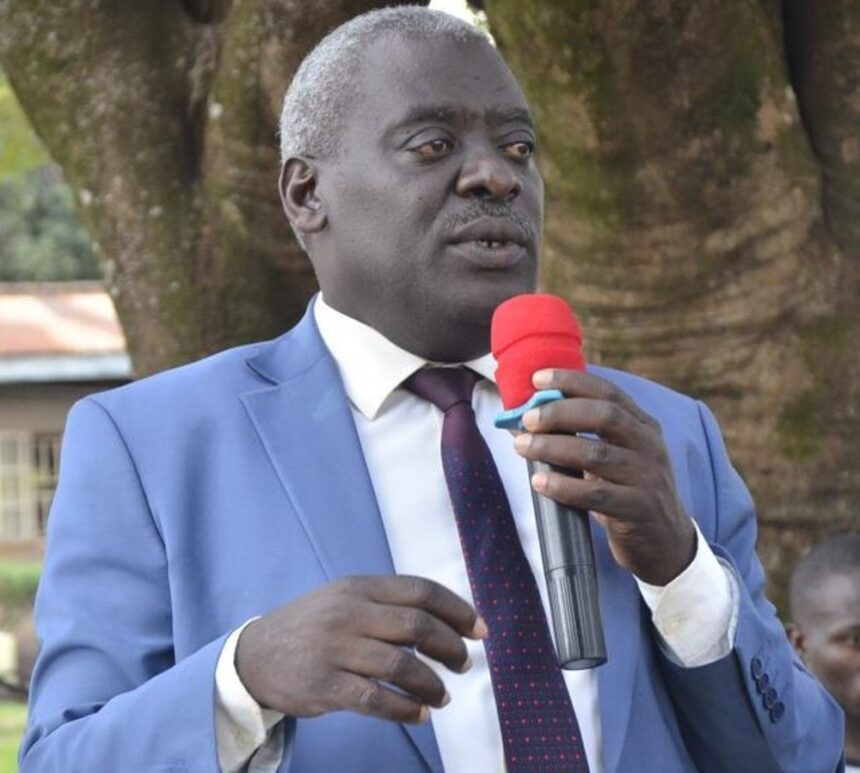
Masindi district has entered a new political era after outgoing LCV Chairperson Cosmas Byaruhanga became the first district leader in its history to complete two consecutive terms and peacefully hand over power — a rare feat in a district long defined by political turbulence, unfinished mandates and leadership crises.
The transition to incoming chairperson Patrick Wobusobozi marks more than a ceremonial transfer of authority. It closes a decade that reshaped Masindi’s political landscape while exposing the deep institutional weaknesses that continue to haunt Uganda’s local governments.
Since Masindi district was created, no LCV chairperson had successfully served two full consecutive terms and formally exited office through an orderly transition. Previous leaders either lost political support, died while in office or left before completing their mandates.
Byaruhanga’s departure therefore delivers a historic milestone for the oil-rich Bunyoro district at a time when peaceful transitions within local government are increasingly viewed as a test of political maturity.
But his legacy remains sharply contested.
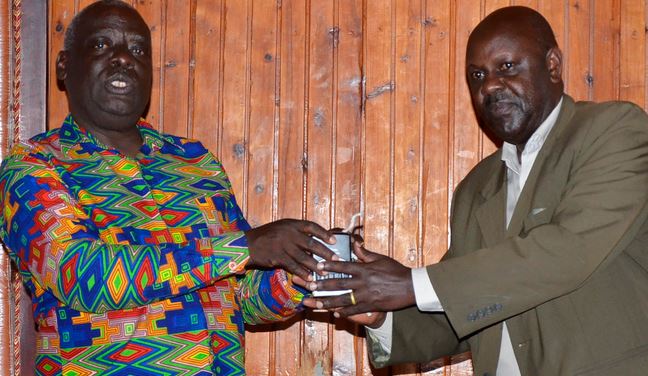
The outspoken district boss presided over years of internal political conflict, including a damaging fallout with district speaker Moses Kiirya that frequently paralysed council operations and slowed service delivery.
The rivalry contributed to the collapse of the District Service Commission, leaving the district unable to recruit staff and forcing the return of billions of shillings in wage allocations to the central government.
The governance breakdown became one of the clearest examples of how political infighting inside Uganda’s district administrations can directly undermine public services.
Still, Byaruhanga argues his administration strengthened the district financially and administratively. During his handover ceremony, he said local revenue collections rose from about Shs600 million to Shs1.3 billion after the introduction of cashless payment systems that initially faced resistance from within the district establishment.
He also pointed to ongoing infrastructure projects, including the construction of Masindi Hospital, road upgrades, tourism investments at Kafu junction and efforts to secure land titles for district government property.
“I came with nothing and I am leaving with nothing,” Byaruhanga said, defending his administration against corruption allegations and arguing that leaders should avoid conflicts of interest in public procurement.
His exit also comes after a politically turbulent election cycle that exposed fractures inside the ruling National Resistance Movement (NRM). Byaruhanga publicly rejected claims by senior party officials that he had agreed to step down from a parliamentary race, highlighting growing tensions over internal party negotiations ahead of Uganda’s 2026 political transition.
For incoming chairperson Wobusobozi, expectations are already high.
Residents and local leaders say the next administration will face pressure to restore institutional cooperation, revive stalled service delivery and move beyond the personal political battles that dominated the district for much of the last decade.
Whether Wobusobozi succeeds may ultimately shape how history remembers Byaruhanga not simply as Masindi’s first two-term LCV chairperson, but as the leader whose controversial tenure forced the district to confront the cost of political conflict and the value of peaceful democratic transition.