



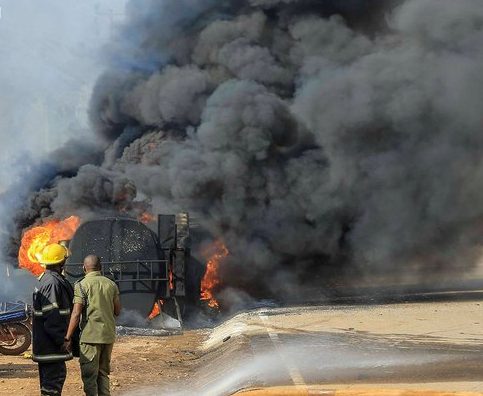
In recent days, Uganda has witnessed an alarming spike in fuel tanker accidents, with multiple incidents of tankers overturning, catching fire, and endangering nearby communities.
The accidents, which have resulted in extensive property damage, injuries, and loss of life, have ignited public concern and speculation about the causes behind this sudden wave of tanker fires.
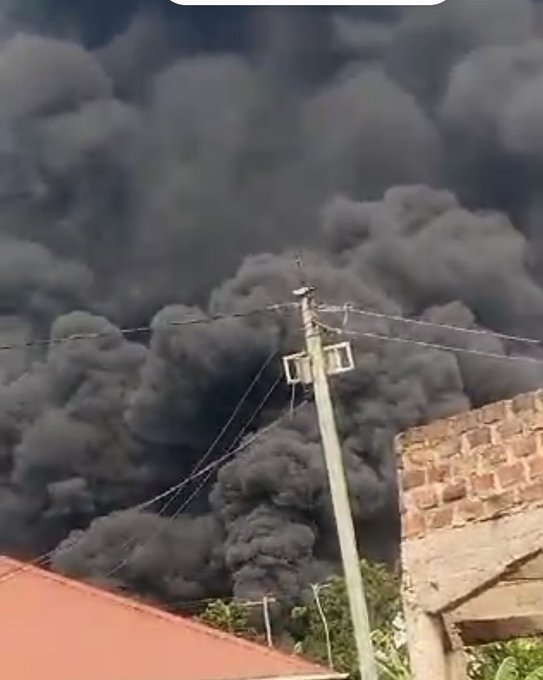
The surge in fuel tanker accidents raises questions about potential underlying factors. While some observers argue that these could be isolated, unfortunate events, others speculate that the incidents may be symptoms of deeper issues, such as lax safety protocols, inadequate driver training, or aging tanker vehicles.
Fuel transportation in Uganda is primarily conducted by road, with trucks ferrying petroleum products across major routes, creating a high risk of accidents.
Safety experts have pointed out that the conditions of some fuel tankers on Uganda’s roads may contribute to these accidents.
“Regular maintenance of tankers, adherence to speed limits, and proper training for drivers are essential,” commented road safety advocate, Engineer John Kasaija. He emphasized that while fuel tankers carry hazardous materials, strict adherence to safety measures could significantly reduce the likelihood of accidents.
Adding to the tragedy of these incidents is the recurring tendency of people to approach overturned tankers to siphon fuel, often with catastrophic results. This dangerous practice has led to fatalities in previous accidents, as unsuspecting individuals are caught in explosions triggered by the flammable fumes.
Authorities have repeatedly issued warnings against this behavior, yet the allure of free fuel continues to draw people to these scenes.
The Uganda National Roads Authority (UNRA) has called on fuel companies to assess the safety standards of their tankers and ensure they meet all regulatory requirements.
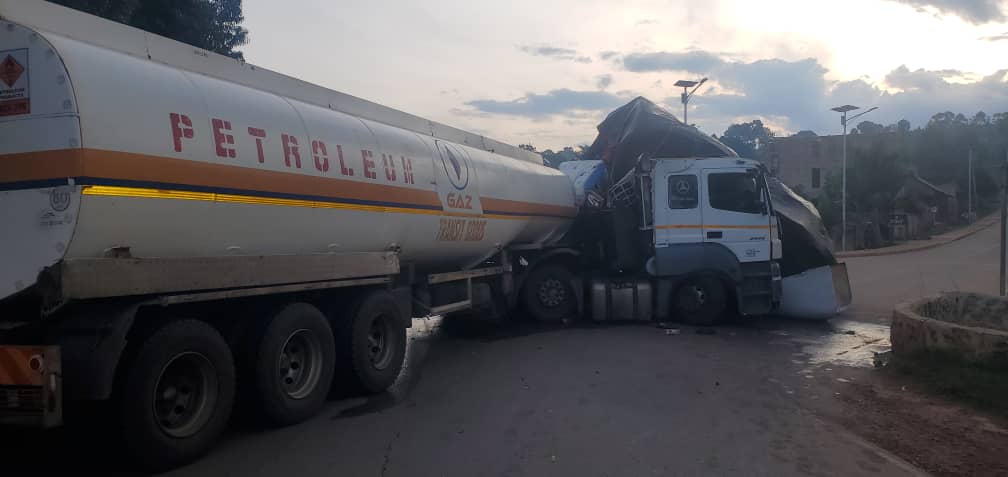
The Ministry of Works and Transport is reportedly considering stricter regulations, including mandatory driver training and frequent vehicle inspections, to mitigate future incidents.
As the nation grapples with these tragic events, the public is left to wonder: Are these merely a string of unfortunate incidents, or a symptom of systemic issues within Uganda’s fuel transport infrastructure?