



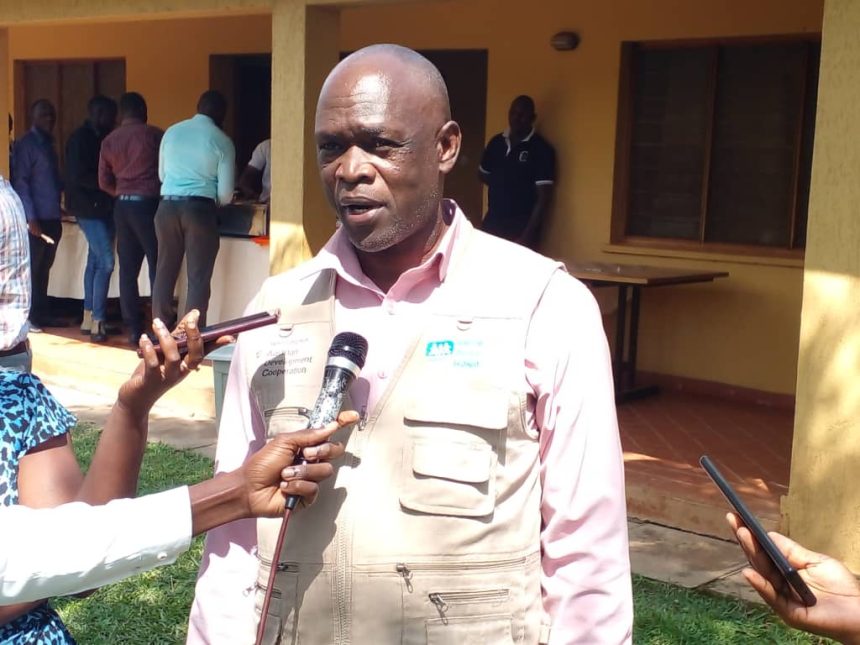
A shift to clean energy is not only easing the financial burden on families but also reducing domestic violence, as women empowered through eco-friendly economic activities can now contribute more at home, courtesy of the Grow Equal Project—according to Tom Kakooza, the SOS Children’s Villages Program Officer in charge of livelihoods.
Speaking at a media workshop in Entebbe, Kakooza revealed that caregivers using energy-saving stoves, biogas, and briquettes are saving money previously spent on charcoal while improving their health.
“When we look at the community, the time even the time they have been using to go and get firewood and also the money they have been using to buy charcoal they can use briquettes which are efficient, they take long and they save on that money which can be saved saving to support their children with school fees and the scholastic materials , reducing dependence on their husbands,” he said.
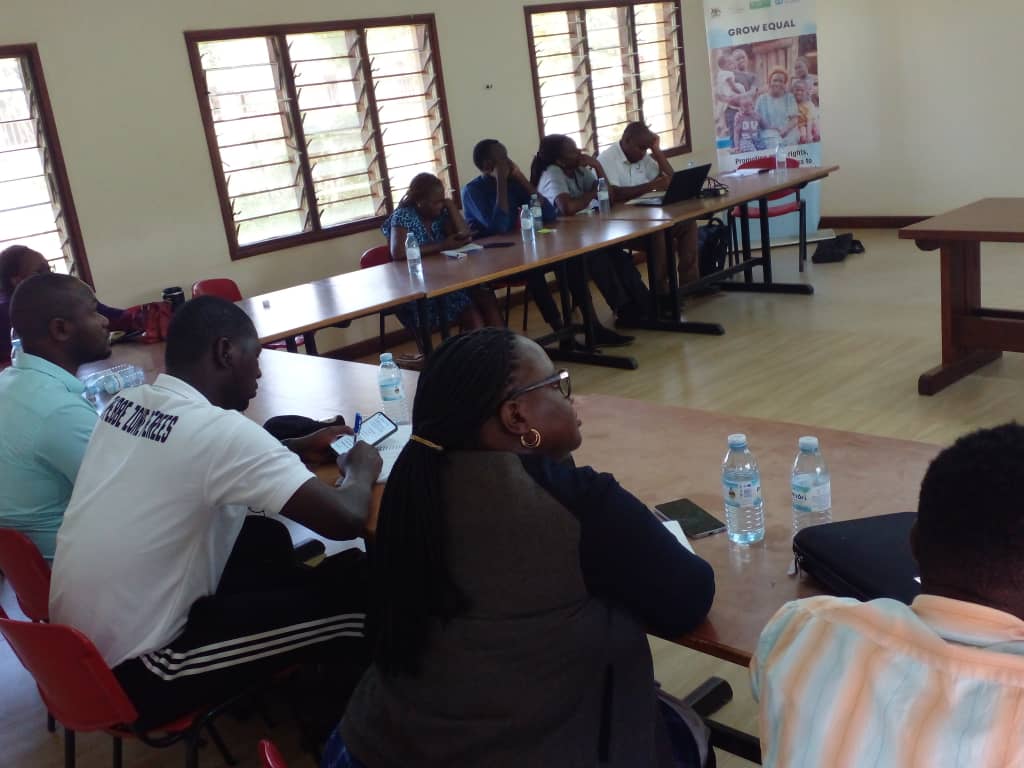
Through home visits, SOS Children’s Villages has documented testimonies from women in communities like Nsagu, Butega, Mpumudde, Dyango and Nalugudde In Katabi there is Kibulwe Bukasa and Bwerenga where economic empowerment has led to fewer domestic conflicts.
Benon Webare, the Entebbe Area Location Manager emphasized that better pay and support are essential for these frontline workers to drive real change.
“Community Development Officers play a critical role in family strengthening and child protection, yet they are often overburdened and under-resourced,” Webare said . He called for government and NGO collaboration to enhance their capacity, ensuring sustainable community development.
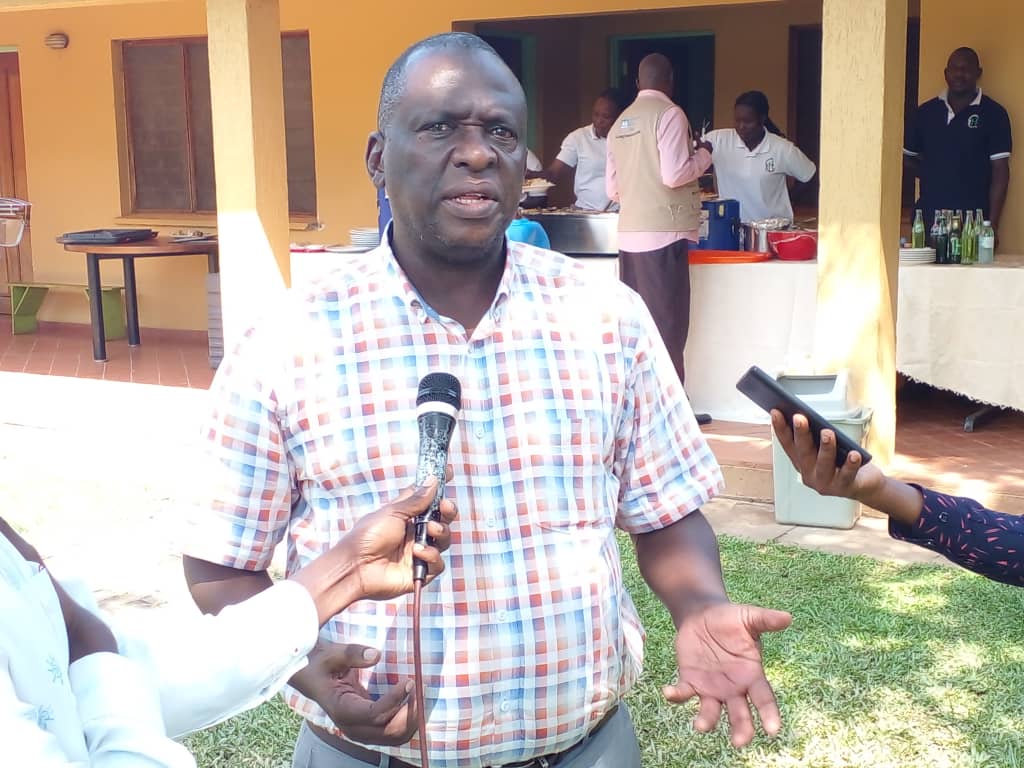
Relatedly, Webare emphasized a strategic shift from long-term institutional care to family and community-based child development approaches. This, he said, is in alignment with evolving government policies and global child protection standards.
“For years, we hosted children within the institution for as long as 20 years—up to university level,” Webare noted. “But times have changed. We’ve realized that prolonged stays in institutional settings often create a disconnect between children and the communities they originate from. Our focus now is on reintegrating children into family environments much earlier—ideally within three years—so they grow up surrounded by biological relatives and community realities that shape their long-term wellbeing.”
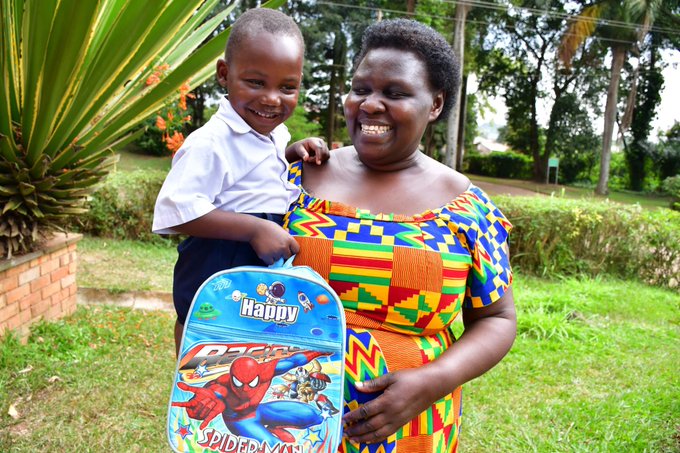
Webare further highlighted the importance of prevention through the Family Strengthening Program, which aims to tackle root causes that lead to child separation in the first place.
“It is far more sustainable and cost-effective to support vulnerable families before crises occur,” he explained. “One child in institutional care is significantly more expensive than investing in community-based support systems. That’s why under the Grow Equal Project, we’re working on holistic interventions—ranging from gender education and parenting support to economic empowerment and climate-conscious livelihoods.”
He concluded by urging for broader dissemination of these initiatives: “We want these transformative messages to reach a wider public—because building resilient families is the most powerful way to protect children and ensure their future.”