



In the misty hills of Karangura Subcounty in Kabarole District, a quiet revolution is unfolding.
For generations, coffee farmers here labored tirelessly on their small plots, only to be cheated by middlemen who bought their beans cheaply and reaped the bigger profits in distant markets. Today, that story is changing.
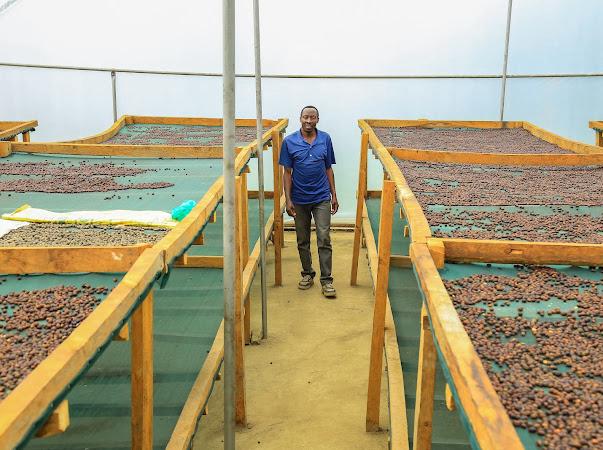
At the Karangura Peak Modern Coffee Farmers’ Cooperative, farmers deliver their harvests not to roadside brokers but to organized collection points known as “bulking centers.” Each center has a manager who carefully records what comes in, ensuring farmers get credit for every kilogram of beans they bring. From there, the coffee moves to the cooperative’s central store.
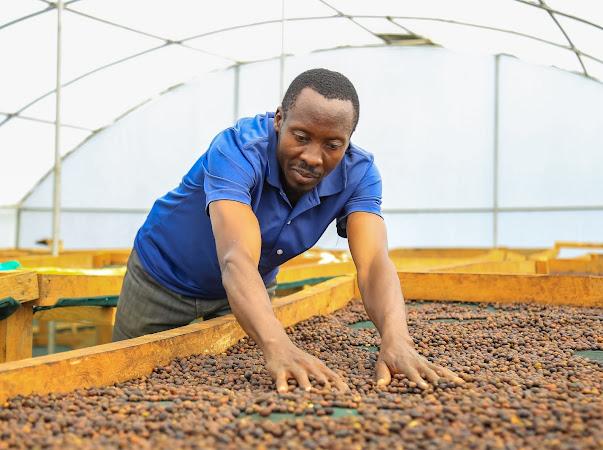
“This system protects farmers,” says Kagezi John, the cooperative’s manager. “We know exactly which farmer has brought what, and it reduces the chances of exploitation. Farmers now have confidence in where their coffee goes.”
The transformation didn’t happen by accident. Through the IFDC BRIGHT project, the cooperative has gained access to financial and technical support. The project has trained extension workers, provided crop financing, and even taken Karangura’s representatives to international fairs like the African Fine Coffee Association meeting in Rwanda.
“BRIGHT has supported us in ways we could not have imagined,” Kagezi says with a smile. “We were even able to pay staff salaries and keep our operations running when things were tough.”
But the cooperative’s ambitions stretch far beyond collecting beans. Kagezi dreams of securing large-scale contracts that can sustain farmers year-round. That dream, however, requires money—serious money.
“To purchase one container of coffee requires 350 million shillings,” he explains. “A contract for three containers means over a billion. Getting that kind of financing is a huge challenge. Some banks don’t even understand contract-based lending.”
Despite the hurdles, there is a sense of determination in Karangura. Farmers here know they are better off today than they were just a few years ago, and they are willing to push harder to hold onto these gains.

The story is similar a few kilometers away, at Kijura Sacco Ltd. Here, numbers tell their own story of growth.
“Our total assets now stand at 6.25 billion shillings, our savings portfolio is 2.7 billion, and our loan portfolio is 4.73 billion,” says General Manager Gerald Ngiramahoro. He flips through a register with pride.
“Before the BRIGHT project, our savings were only 1.6 billion, share capital was 500 million, and our membership stood at 6,000. Now we have over 10,000 members.”
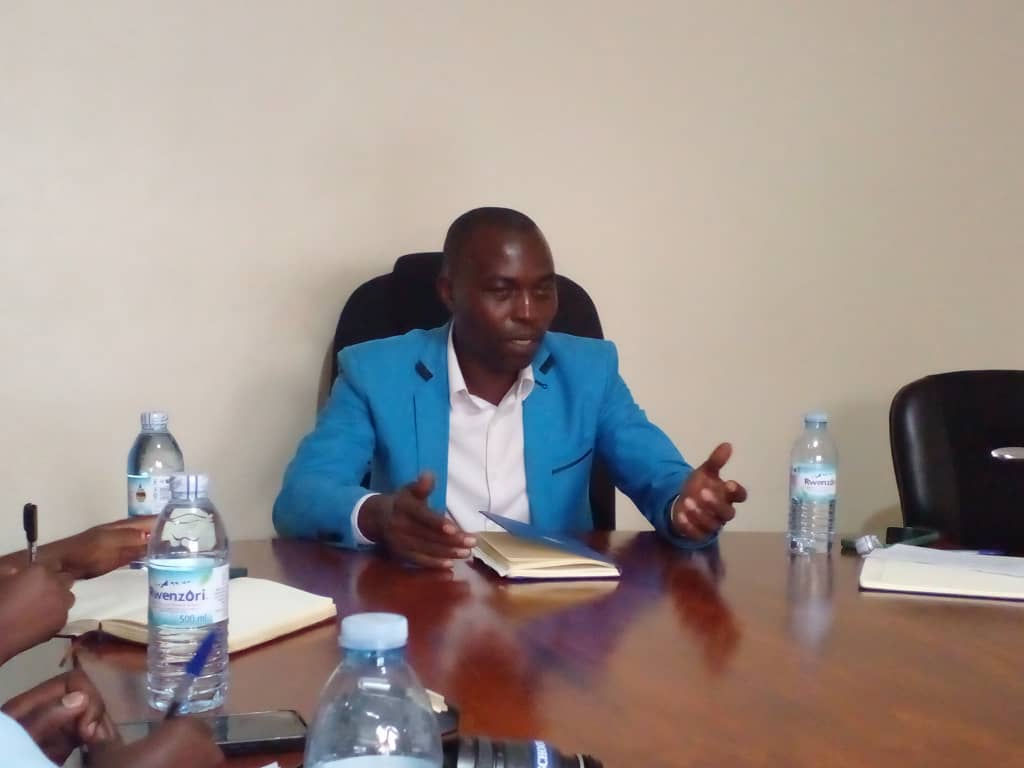
For Gerald, the real victory is not just financial. It is the sense of professionalism that has taken root within the Sacco. “We now have an internal auditor. That may sound small, but it means our systems are transparent, our controls are stronger, and our members trust us more. This is how we ensure sustainability, even beyond donor support.”
The BRIGHT project’s reach has gone beyond coffee. In Kyankaara village, a group of farmers is proving that bees, too, can be agents of transformation.
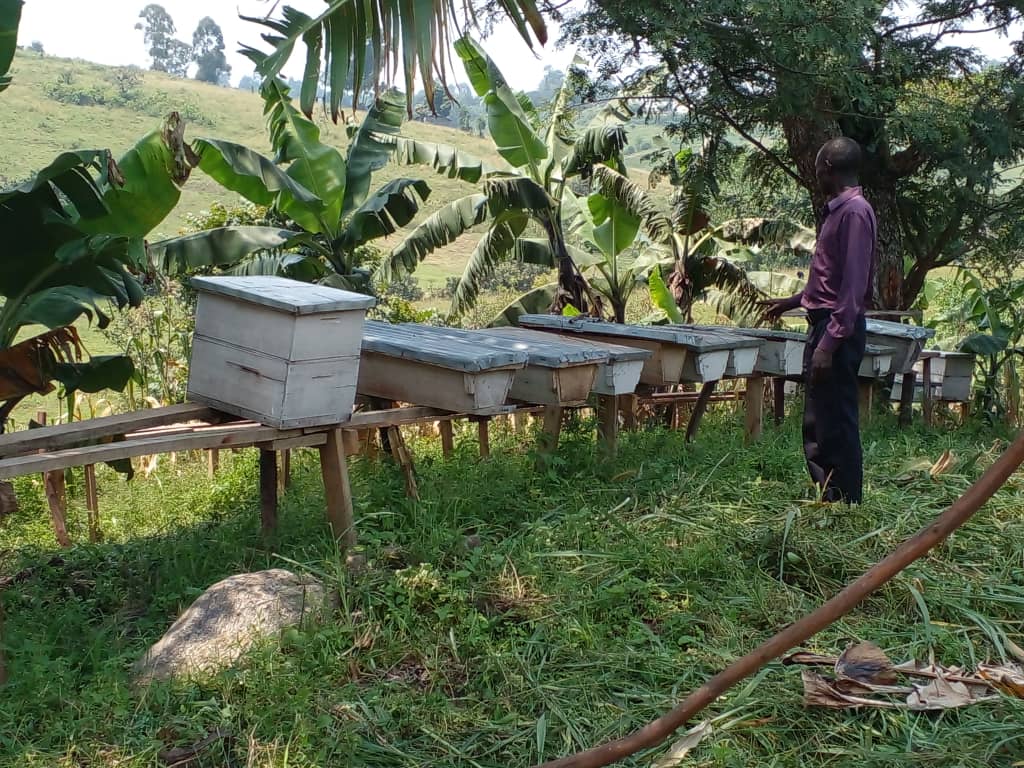
“My name is Nuuwe Titus,” begins the soft-spoken secretary of the Kyankaara Bee Burungi Bweka Group. “We started in 2017, but our beekeeping project began just last year. At first, we had 10 beehives. Today, we have 30.”
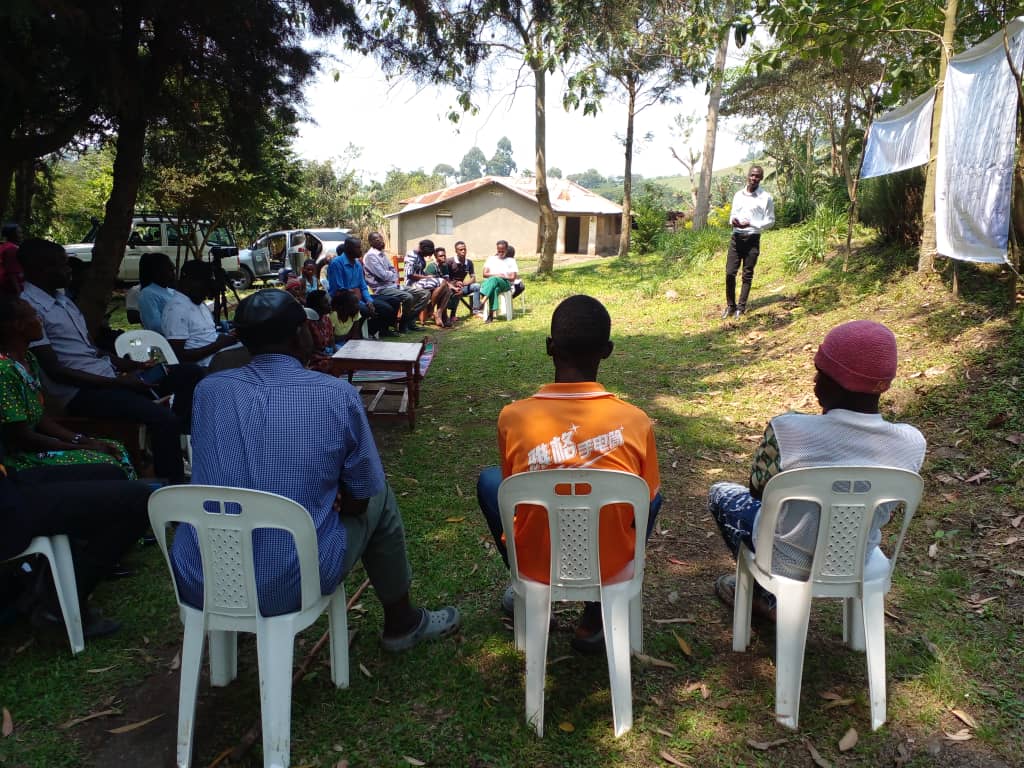
Titus speaks with the excitement of a man who has discovered gold in an unexpected place. “We realized beehives can make money more than any other thing. They need little care—no spraying, no constant weeding. Just patience.”
At first, the group harvested honey by hand, pressing combs and squeezing out what they could. It was messy work, and the bees had to rebuild their combs after every harvest.
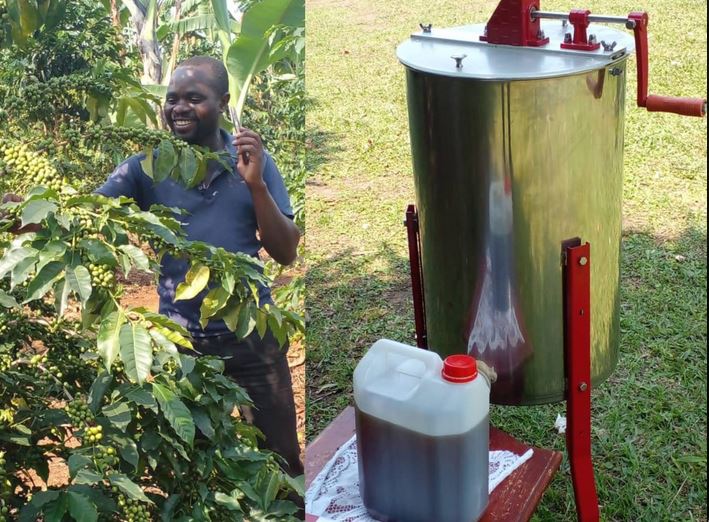
“But with the honey structuring machine we received from BRIGHT, everything changed,” Titus says. “Now we just place the combs in the machine, rotate, and the honey flows out pure. The combs stay intact, which means the bees get back to work immediately.”
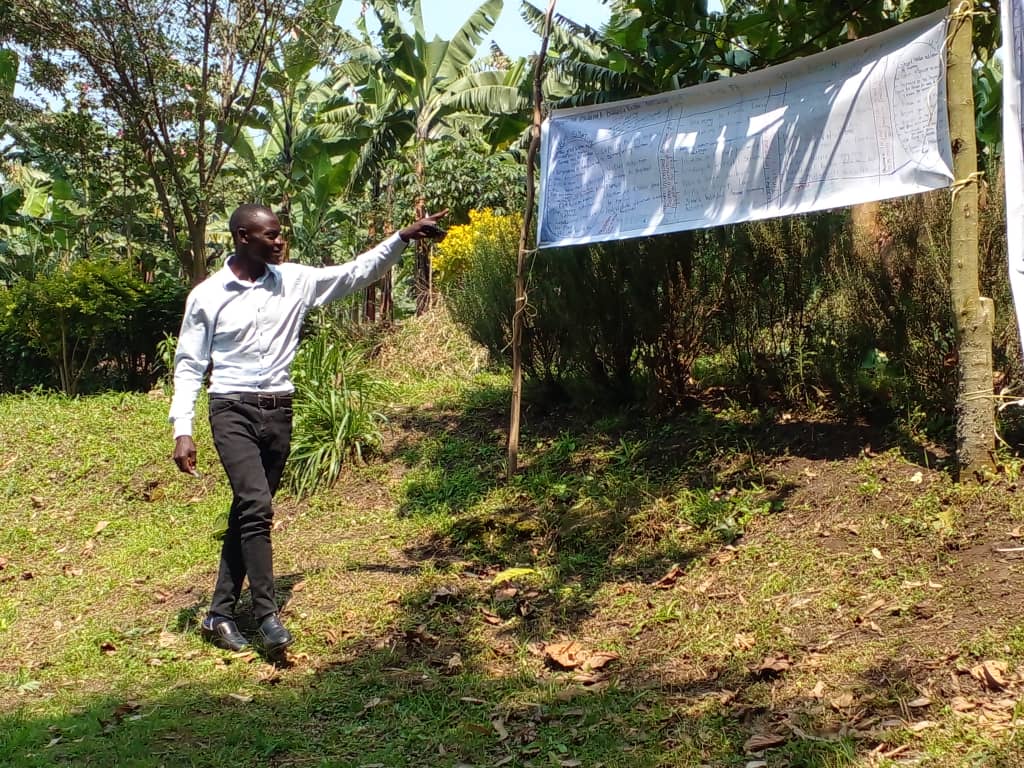
The results are striking. Their last manual harvest yielded 46 kilograms of honey sold at 10,000 shillings per kilogram. After acquiring the machine, they produced just 17 kilograms—reduced by heavy rains—but the honey was so pure they sold it at 20,000 per kilogram. “The price doubled because of quality,” Titus says proudly.
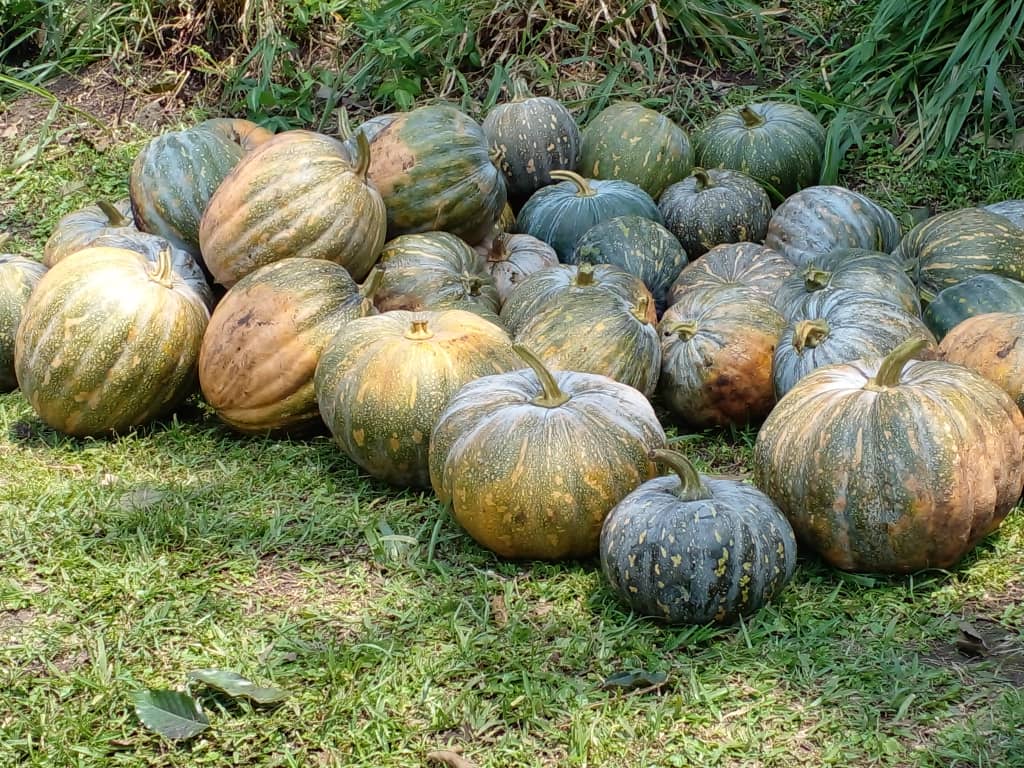
The group has also discovered a natural partnership between bees and pumpkins. “When pumpkins flower, bees come for nectar and in the process pollinate them,” Titus explains. “So we grow pumpkins and keep bees side by side—they help each other.”
Still, not everything is sweet. Unpredictable weather has slashed yields, and relocating hives sometimes causes colonies to abscond. “We lost some bees when we moved hives, and now we are waiting for them to recolonize,” Titus admits. But he remains hopeful. “We started with 10 hives. We now have 30. We believe we can reach 50 or more. Beekeeping has shown us that small efforts can produce big returns if you add value.”
What ties these stories together—whether in coffee, savings, or honey—is a growing belief among farmers that they can take control of their destinies. They no longer have to settle for being at the mercy of middlemen or the uncertainties of weak systems.
In Karangura, Kijura, and Kyankaara, farmers speak of empowerment, not dependency. They talk of systems, machines, markets, and contracts, not just subsistence. They recognize that challenges remain—financing, weather, and marketing are persistent obstacles—but they also know that the foundation for a better future has been laid.
As Gerald from Kijura SACCO puts it, “We are grateful for the support, but we also know we must stand on our own. That is why we are building strong systems and growing membership. This is how we will survive.”
Kagezi from Karangura echoes him. “We can train farmers, we can collect coffee, but unless we find reliable buyers and financiers, we cannot sustain operations. That is our biggest challenge going forward.”
And in Kyankaara, Titus has the last word, his voice brimming with optimism. “We began with little, but today we see the fruits of working together. The bees have taught us patience and reward. We know that if we keep adding value, our community will thrive.”
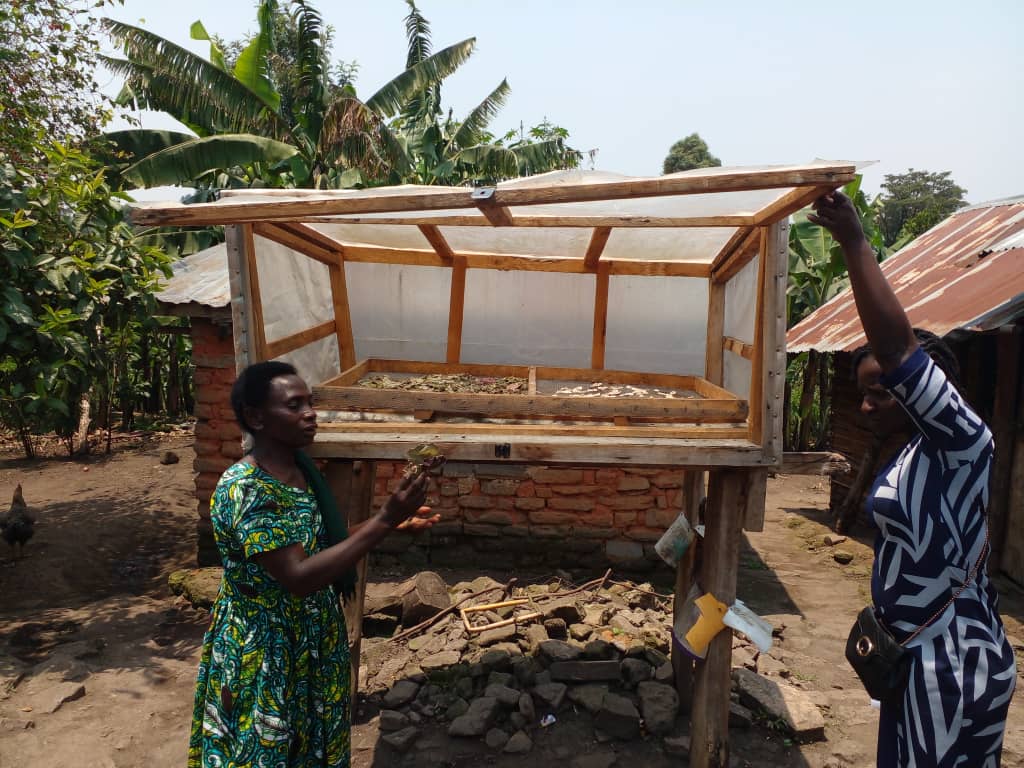
From the mountains of Karangura to the apiaries of Kyankaara, Uganda’s farmers are rewriting their future. Their story is no longer one of exploitation, but of resilience, innovation, and hope.