



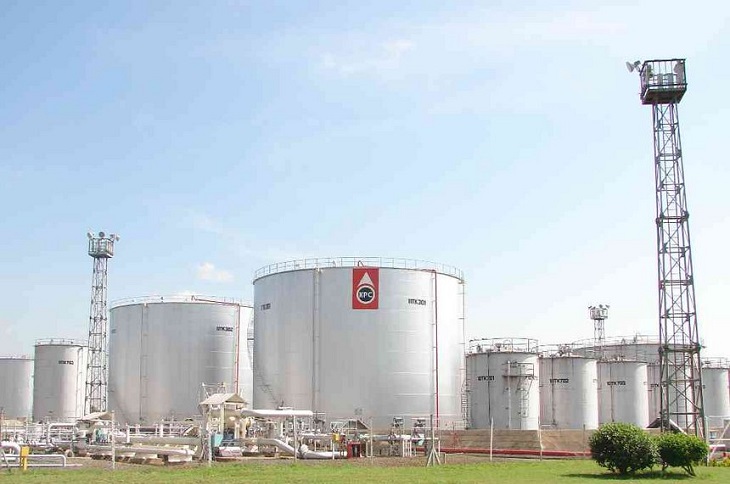
The sweeping leadership and governance changes at Kenya Pipeline Company PLC are not merely routine boardroom adjustments following privatisation. Beneath the formal notices and carefully worded corporate statements lies a deeper regional power shift—one that has quietly elevated Uganda into a critical stakeholder with growing influence over East Africa’s most strategic fuel artery.
At the centre of the unfolding story is a question now circulating among energy insiders in Nairobi and Kampala: Who will permanently take over the top job at KPC, and how much say will Uganda have in that decision?
The answer, increasingly, appears to be: quite a lot.
KPC recently confirmed the exit of board members Sharon Irungu-Asiyo and Mohamed Birik Mohamed, alongside the departure of General Manager Supply Chain Maureen Mwenje. These exits come months after the March fuel scandal that engulfed former Managing Director Joe Sang and triggered a governance crisis within the company.
While the public framing is one of restructuring after privatisation, multiple developments point to a larger strategic recalibration of ownership and influence.
In April, the Kenyan Treasury received Ksh103.45 billion from the partial sale of KPC, officially opening the company to a new ownership structure involving Kenya, Uganda, and institutional investors. That transaction fundamentally altered the company’s political and commercial dynamics.
For decades, KPC largely operated as a Kenyan state instrument. Today, however, it sits at the heart of a regional fuel ecosystem heavily dependent on Ugandan demand, Ugandan infrastructure ambitions, and Uganda’s future oil export strategy.
Uganda’s leverage is not symbolic.
Nearly all petroleum products consumed in Uganda transit through Kenya’s pipeline and port infrastructure before crossing into Uganda through the Western Kenya corridor. The completion of the Kampala Storage Terminal expansion, alongside Uganda’s growing domestic fuel market and upcoming oil production plans around the Albertine Graben, has made Kampala an indispensable client.
Industry analysts say that once a country becomes both a major customer and shareholder, influence over executive appointments naturally follows.
That is why the upcoming substantive appointment of KPC’s next Managing Director is being watched beyond Kenya’s borders.
Although acting MD Pius Mwendwa currently holds the reins, sources within regional energy circles suggest the eventual appointment process will involve intense behind-the-scenes consultations balancing Kenyan political interests, investor confidence, and regional diplomacy—particularly with Uganda.
Uganda’s stake is strategic for several reasons.
First, any instability at KPC directly affects Uganda’s fuel security. The 2023 and 2024 intermittent supply disruptions exposed just how vulnerable Kampala remains to operational turbulence within Kenyan infrastructure systems.
Second, Uganda is preparing for first oil exports, and its long-term energy logistics ambitions require close alignment with Kenyan transport systems, including pipeline coordination and storage management.
Third, Uganda’s national oil entities and private investors are understood to have growing commercial exposure to regional petroleum logistics assets tied to KPC’s operations.
This makes the choice of KPC’s next chief executive less of a domestic Kenyan appointment and more of a regional geopolitical selection.
The board shake-up itself also raises questions about whether the privatisation process is reducing direct state control or merely redistributing influence among politically connected regional blocs and investors.
The removal of representatives linked to the Attorney General and the Petroleum State Department suggests that traditional Kenyan government oversight structures are being diluted in favour of a more commercially driven governance model. Yet critics argue that privatisation in strategic sectors often creates new centres of influence rather than eliminating political interests altogether.
For Uganda, the stakes are enormous.
A friendly and commercially aligned leadership at KPC could strengthen fuel security, improve cross-border efficiencies, and support Uganda’s ambitions to become a regional petroleum hub. A hostile or politically unstable leadership, on the other hand, could expose Kampala to supply vulnerabilities and pricing shocks.
What is emerging is a new East African reality: KPC may still be headquartered in Nairobi, but its future leadership and strategic direction can no longer ignore Kampala.