


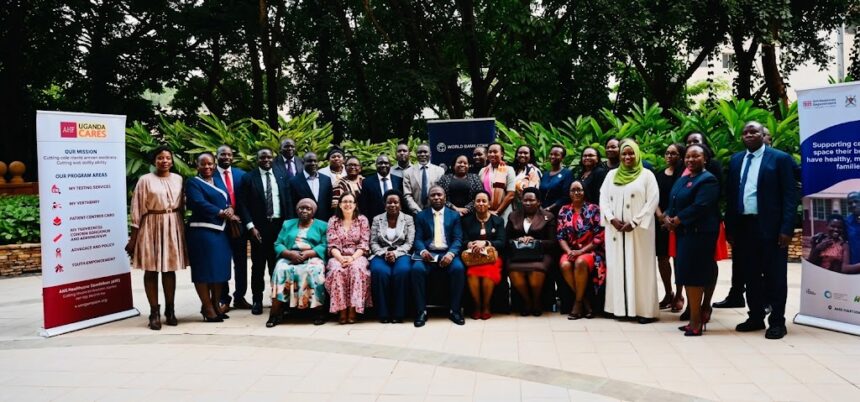
Uganda must urgently overhaul the way it mobilises, allocates and spends money on healthcare, with health experts warning that increasing the budget alone will not solve the country’s healthcare crisis unless existing resources are used more efficiently.
The warning came during consultations on Uganda’s proposed 10-year Health Financing Strategy, which seeks to strengthen domestic financing, reduce dependence on external assistance and improve accountability in the health sector.
Henry Magala of AHF Uganda Cares said Uganda must move beyond simply asking for more money and focus on ensuring that available resources produce measurable improvements in healthcare.
He said the country remains heavily dependent on development partners, with slightly more than half of healthcare financing coming from external sources.
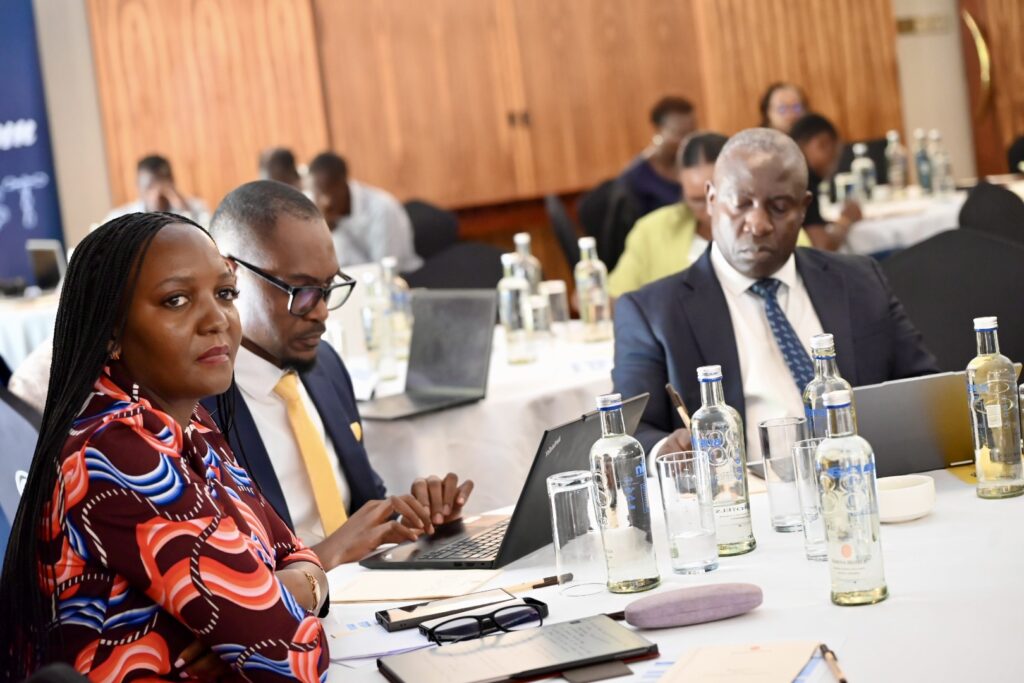
Magala called for the long-delayed National Health Insurance Scheme to be operationalised, arguing that pooling contributions from Ugandans who can afford to pay would provide a more sustainable source of financing while protecting households from catastrophic medical expenses.
He cited Rwanda and Ghana as examples Uganda could learn from, particularly in mobilising contributions and pooling funds for healthcare.
The financing challenge is compounded by weaknesses in absorption and public financial management.
Professor Elizabeth Ekirapa-Kiracho a Ugandan Public Health expert who heads the Department of Health Policy, Planning, and Management at the Makerere University School of Public Health (MakSPH) said the latest health-sector performance data shows that only about 58 percent of externally sourced funds are absorbed, leaving approximately 42 percent unused.
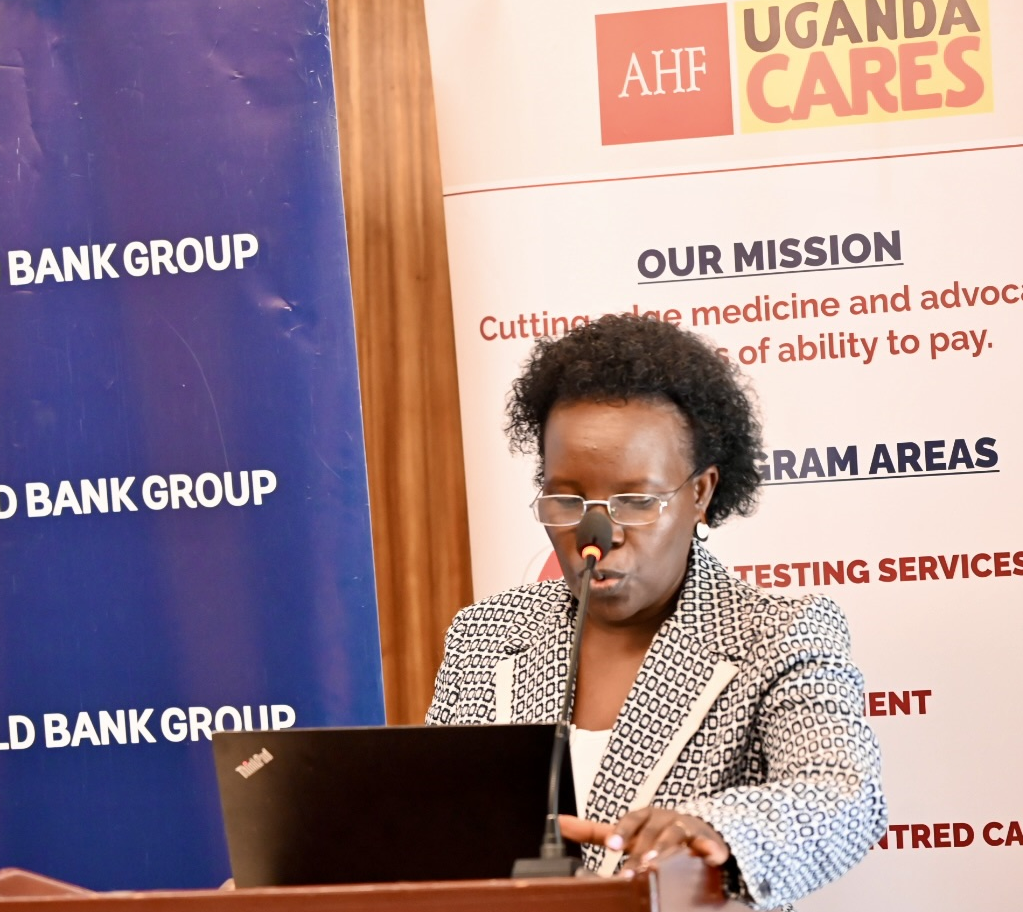
Government funding performs better, with about 98 percent reportedly released and utilised, although health officials continue to raise concerns about delayed releases.
She said Uganda must also improve how it purchases healthcare services, using evidence to determine which services populations need and which providers deliver them effectively.
This includes linking payments to provider performance and strengthening contracts with public, private and private-not-for-profit facilities.
Private facilities, she noted, are particularly important in urban areas where they are often closer to patients than public hospitals, yet Uganda lacks adequate mechanisms to subsidise services delivered by them.
The proposed strategy also seeks to address major gaps in health inputs.
Uganda currently meets only about 46 percent of its medicines needs, while staffing levels stand at roughly 35 percent of revised staffing norms, according to figures cited during the consultation.
The result is a system where facilities can be overcrowded while others remain underutilised, patients bypass lower-level facilities for more expensive higher-level hospitals, medicines expire and expensive equipment is sometimes duplicated instead of shared.
Parliament’s Health Committee Chairperson, Hon. Dr. Rude Julius Monday, has backed increased investment in healthcare and called for action on the financing reforms, including the National Health Insurance Bill.
Relatedly, Magala also called for greater funding for National Medical Stores and stronger measures to eliminate wastage and leakages. He said more than 100 ghost health facilities had been removed from the medicines distribution system, demonstrating the potential savings from tighter controls.
He further criticised the high cost of borrowing faced by developing countries, arguing that expensive loans reduce the amount of money ultimately available for health and other social services.
The experts also want Uganda to explore innovative domestic revenue sources, while ensuring that donor-funded programmes are progressively integrated into government systems.
Their central message is that Uganda’s health financing challenge is no longer simply about finding more money but rather ensuring that every shilling already available reaches the patient, buys quality services and produces better health outcomes.