



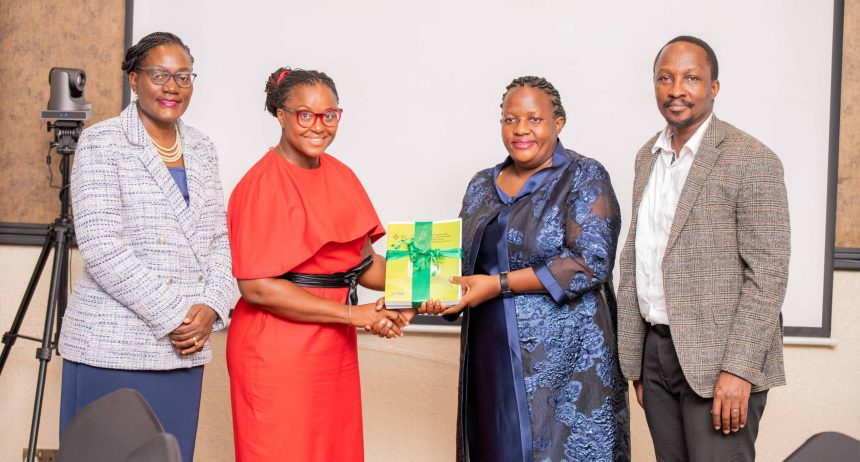
Uganda has taken a significant step in strengthening data privacy and protection with the launch of the Personal Data & Data Privacy Toolkit.
The toolkit, designed to assist organizations in complying with data protection laws, was unveiled during a high-profile event attended by key stakeholders, including government officials, financial sector representatives, and data protection advocates.
A Cultural Shift in Data Protection
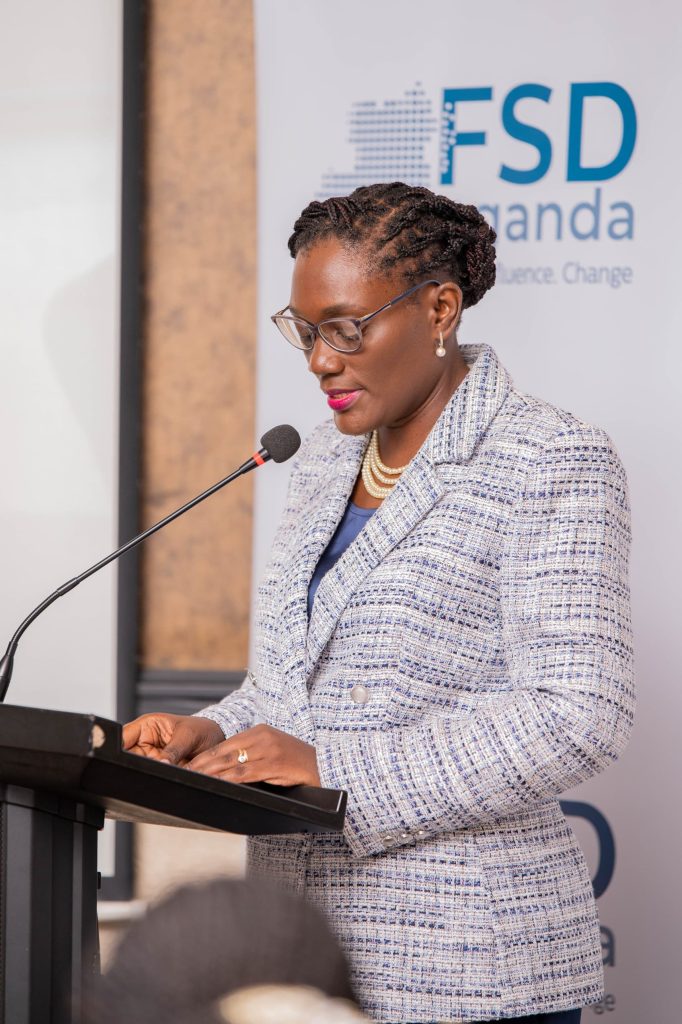
Stella Alibateese, Director of the Personal Data Protection Office (PDPO), emphasized that data protection is not just a legal obligation but a moral imperative. She reiterated the theme of this year’s Data Privacy Month, Beyond Compliance: Making Data Privacy a Culture, urging organizations to embrace a culture that values and respects personal data privacy.
“This toolkit is more than just a guide; it’s a roadmap to compliance, a catalyst for change, and a tool for building a safer data privacy ecosystem,” Alibateese said. “It provides practical tools, templates, and step-by-step guidance to help organizations assess their data protection practices, identify gaps, and take corrective actions.”
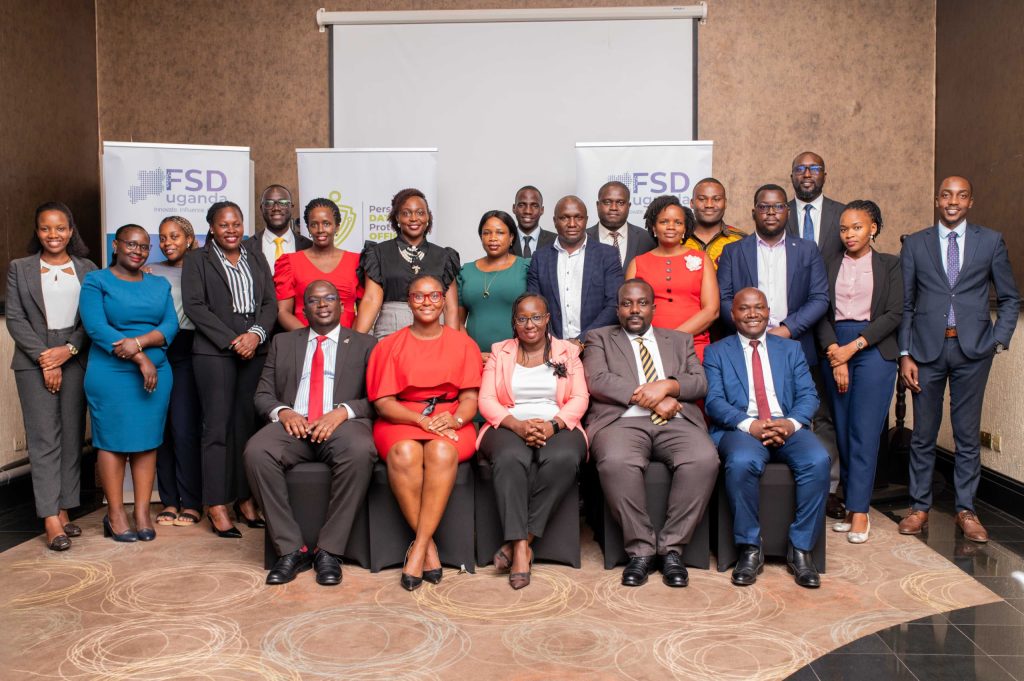
Alibateese also announced the launch of a Training of Trainers program, aimed at equipping professionals from key sectors with the knowledge and skills to implement the toolkit effectively within their organizations.
Empowering Financial Institutions and SMEs
Joseph Lutwama, Director of Programs at Financial Sector Deepening (FSD) Uganda, underscored the importance of data in financial services, particularly in lending and credit assessment. He highlighted the role of the new toolkit in ensuring that personal data is handled responsibly and securely.
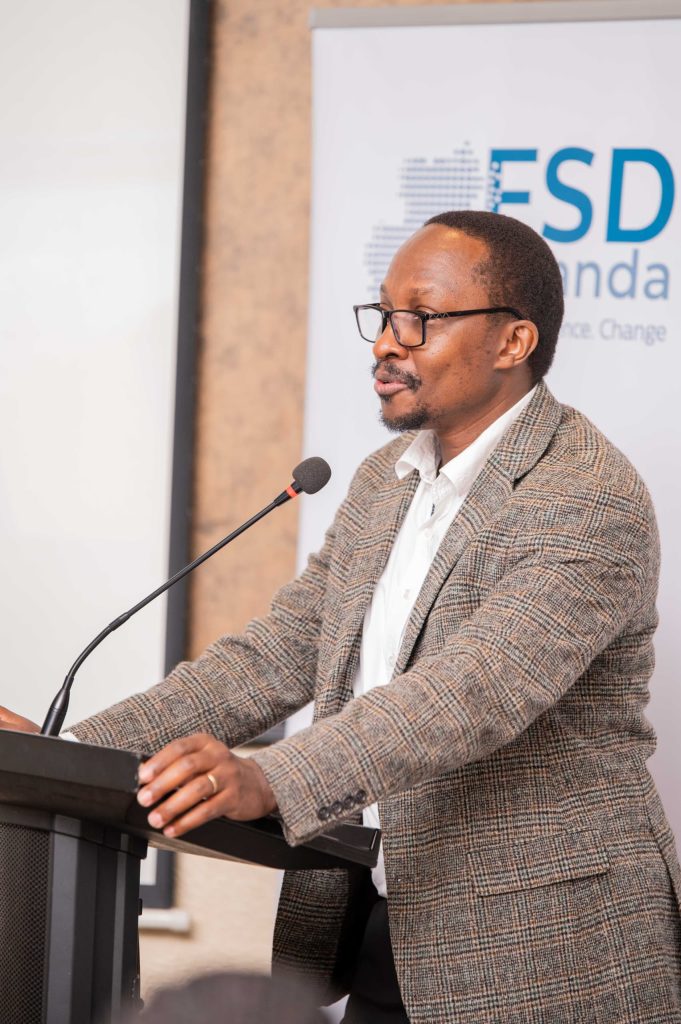
“Data is what drives financial markets. Financial institutions need personal data to make lending decisions, but that data must be protected,” Mutwama explained. “This toolkit will help institutions use personal data responsibly while maintaining the trust and security of their clients.”
Lutwama also linked the initiative to the broader fight against cyber fraud and identity theft, issues that have become increasingly prevalent with the rise of digital transactions. “Part of the problem with cyber fraud is the misuse of personal data. This toolkit and the regulatory framework will help prevent such incidents and ensure enforcement when violations occur,” he added.
Strengthening Compliance Across All Sectors
Dr.Annabela Habinka Ejiri, Board Member of the National Information Technology Authority (NITA) Uganda, echoed the significance of the toolkit beyond financial institutions, emphasizing its relevance to government organizations and all entities handling personal data.
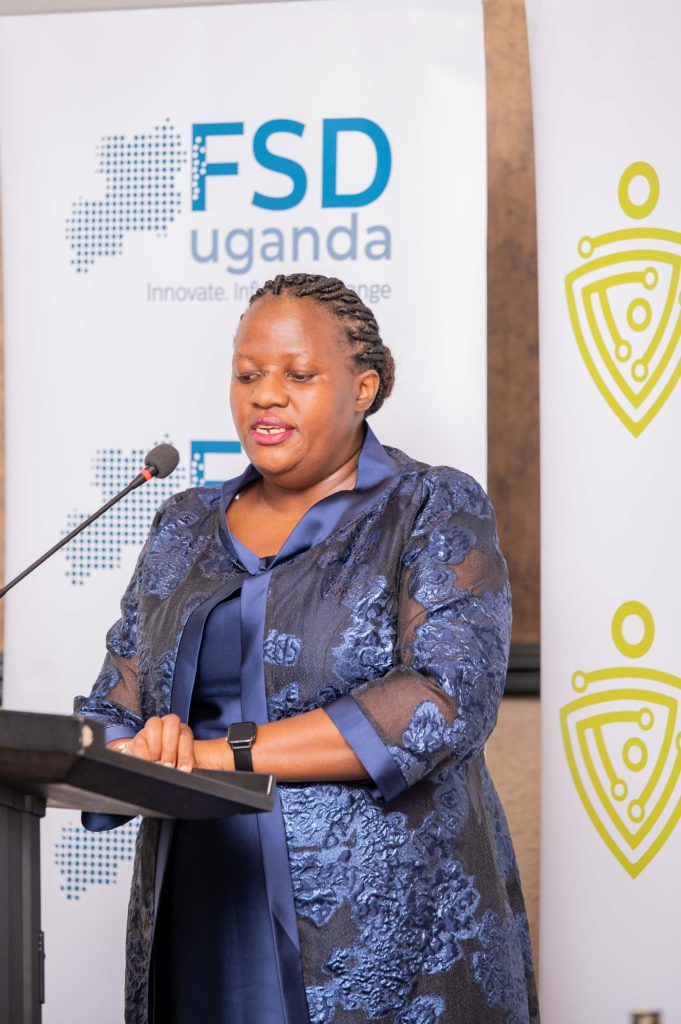
“This toolkit will help organizations build more trust with customers, bridge data privacy gaps, and encourage safer data handling practices,” Ejiri stated. She noted that over 4,000 organizations are now registered with the Personal Data Protection Office, reflecting an increasing commitment to compliance.
Ejiri also stressed the need for a cultural shift towards responsible data handling, where every individual and organization takes full responsibility for protecting the information they collect. “We want to see a culture where data handlers understand that personal information is sensitive, and it must be protected at all costs,” she said.
Looking Ahead: A Commitment to Data Privacy
The launch of the Personal Data & Data Privacy Toolkit represents a milestone in Uganda’s journey towards robust data protection. With continued collaboration between the government, financial sector, and other stakeholders, Uganda aims to enhance compliance, strengthen cybersecurity, and ensure that data privacy remains a top priority for all organizations.
As Uganda moves forward, stakeholders are encouraged to register with NITA Uganda and the Personal Data Protection Office to receive training and guidance on best practices in data privacy. The ultimate goal is to create an ecosystem where data protection is not just a regulatory requirement but an ingrained culture that safeguards the rights and privacy of all Ugandans.