



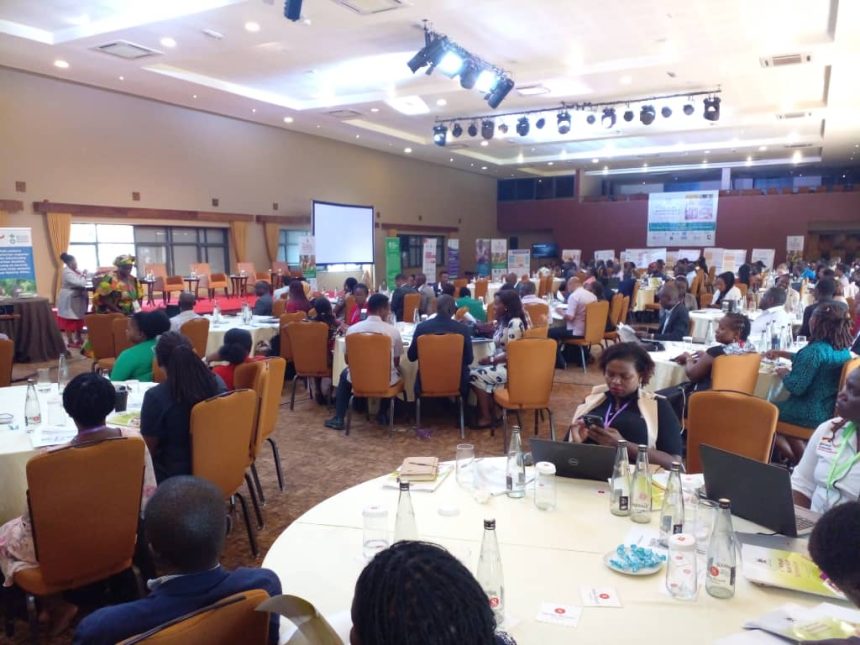
At the 4th Annual National Nutrition Symposium held at Speke Resort Munyonyo, experts unveiled alarming findings and promising innovations that could transform Uganda’s food systems—particularly in Fort Portal City and the drought-prone districts of Kotido and Karenga.
Eric Oteba, a food systems specialist, presented a comprehensive report on food safety in Fort Portal City, revealing widespread contamination in commonly consumed foods.
Tests conducted across three major markets—Mbanga, Kabondaire, and Kisenyi—detected dangerously high levels of E. coli in raw meat, cadmium in groundnut paste, and pesticide residues in vegetables such as tomatoes, eggplants, and cabbage. In some cases, cadmium levels exceeded safe thresholds by over 2,000%, posing serious health risks including heart and kidney disease.
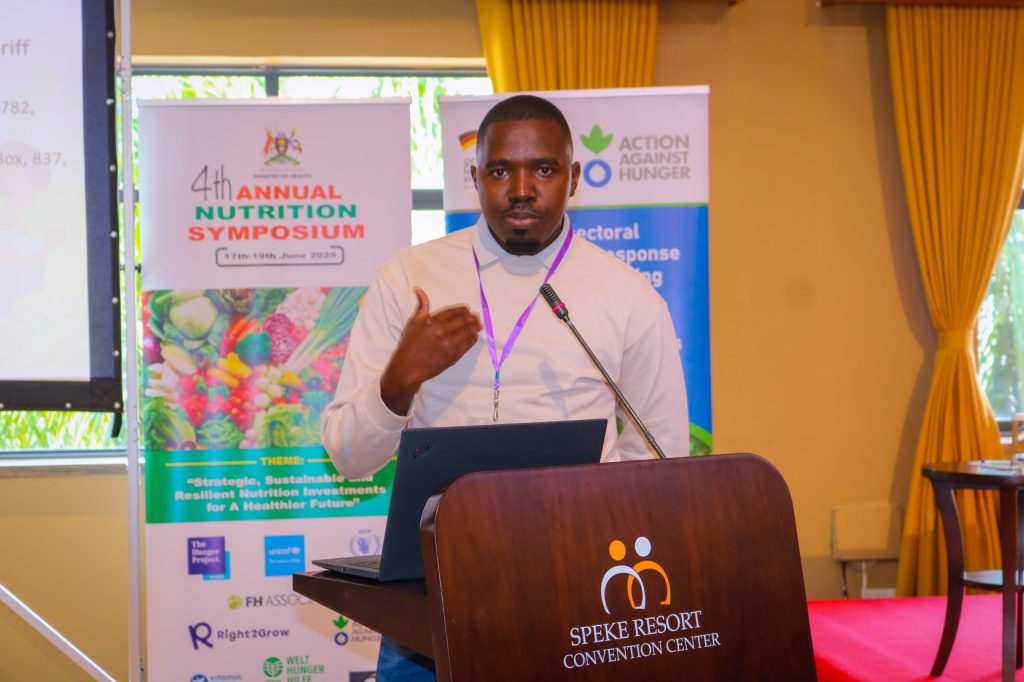
“These findings call for urgent interventions,” Oteba stressed. “We need stronger food regulations, routine inspections, vendor training, and increased public awareness. Food safety is not a luxury—it’s a human right.”
Oteba also highlighted the challenges and motivations behind organic vegetable production and consumption in Fort Portal. While consumers cited health benefits for choosing organic produce, affordability remains a barrier. Most vendors and farmers still rely on synthetic chemicals due to limited access to organic farming resources. “We need policies and market support for organic farming to thrive,” he urged.
Meanwhile, Rose Nakiwala shared an inspiring case study from Karenga and Kotido, where low-income households have embraced mushroom farming as a climate-smart solution to food insecurity. Over a four-month pilot period, communities harvested 265 kilograms of mushrooms, generating income and reducing reliance on wild, seasonal foods.
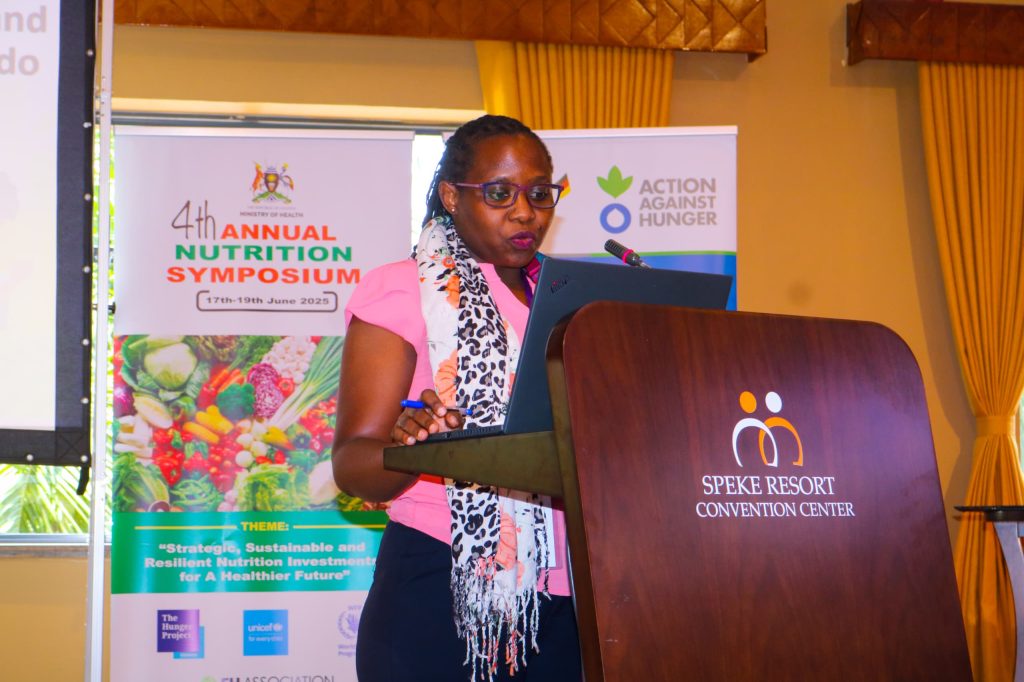
“Mushroom growing offers a sustainable alternative in drought-prone areas,” Nakiwala said. “It ensures year-round food access and empowers households economically.” Although some communities initially hesitated due to taste and unfamiliarity, mushrooms are gaining acceptance, especially when used in traditional dishes or sold in town markets for up to UGX 12,000 per kilogram.
Both presenters emphasized the need for continued research, local government support, and community-level interventions to ensure food safety and resilience.
The symposium has unanimously called for the protection of Uganda’s food systems through data-driven policies, farmer education, and sustainable innovations.