



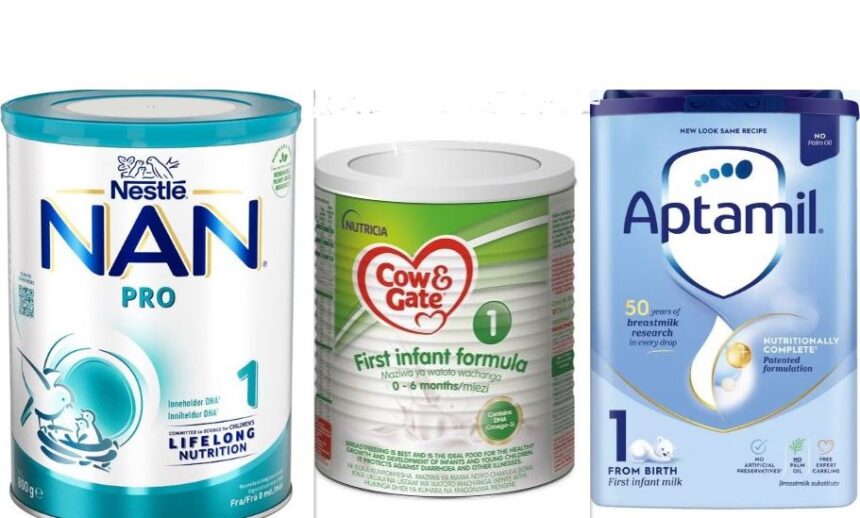
Health authorities around the world are sounding the alarm after a massive recall of infant milk formula products in more than 60 countries, including brands widely sold in Uganda such as Nestlé’s SMA range, Danone’s Aptamil, and Cow & Gate.
The recalls were triggered after traces of a dangerous toxin — cereulide — were detected in specific batches, raising concerns about food safety, supply chain oversight, and infant health.What Happened?
The Recall Unfolds
The recall began in December 2025, when routine quality checks revealed traces of cereulide, a heat-stable toxin produced by the bacterium Bacillus cereus, in certain formula products manufactured at a European facility. Because cereulide cannot be neutralised by boiling or standard preparation methods, food safety agencies quickly began alerting regulators and expanding recalls globally.
More than 60 countries have issued recall notices — spanning Europe, the Middle East, Africa, Asia, Oceania and parts of the Americas — and authorities have urged parents to stop using any formula that matches the recalled batch numbers.
Health Risks and Official Warnings
Cereulide has been linked to rapid-onset food poisoning symptoms such as nausea, vomiting, diarrhoea and severe stomach cramps. In very young infants, these symptoms can lead to dehydration, electrolyte imbalance and other harmful complications if not treated promptly.
Across Europe, coordinated rapid risk assessments from bodies such as the European Food Safety Authority and the European Centre for Disease Prevention and Control suggest that because of the ongoing recalls, the current risk of exposure is low — but vigilance remains high among regulators.
Supply Chain Scrutiny and Investigations
Investigations in countries like France have escalated the situation further, with prosecutors now probing multiple infant formula manufacturers — including Nestlé, Danone and Lactalis — on grounds of “selling products harmful to human health.” Authorities in France are examining numerous complaints and reports, and while links to infant deaths are still under investigation and not confirmed, the probe reflects the seriousness of the crisis.
The contamination has been traced back to an ingredient used in multiple formula products — arachidonic acid (ARA) oil — supplied by a Chinese firm that is now facing intense scrutiny. Because such ingredients appear across brands and manufacturers, the recall has affected a large swath of products and markets.
Why This Matters: Historical Context
This is not the first time global infant formula safety has been thrust into the spotlight. One of the most notorious cases was the 2008 Chinese milk scandal, where melamine-tainted formula sickened tens of thousands of children and was linked to multiple deaths, exposing major lapses in food safety enforcement and regulatory oversight.
That crisis ultimately forced regulatory and industry reforms worldwide. The current recalls, while involving a different contaminant and industrial context, again highlight how vulnerable critical food supplies can be when supply chains and quality systems fail or lack transparency.
Implications for Uganda
In Uganda, these formula brands are readily available through pharmacies, supermarkets and public health outlets. Health officials have warned caregivers to check batch numbers carefully against recall lists and consult health professionals if concerned.
While breastfeeding remains the safest and most recommended source of nutrition for infants wherever possible, the formula recalls indicate the need for strengthened local surveillance, tighter import controls and greater public awareness about food safety risks and reporting channels.
A Call for Stronger Standards.
Beyond immediate safety actions, consumer and health advocates argue this episode should accelerate improvements in regulatory frameworks — both globally and locally — to ensure systematic testing, transparency and accountability in the infant nutrition sector.
As the situation continues to develop, parents and caregivers are advised to stay informed, report any illness potentially linked to recalled products, and prioritise official recall notices over informal sources.