



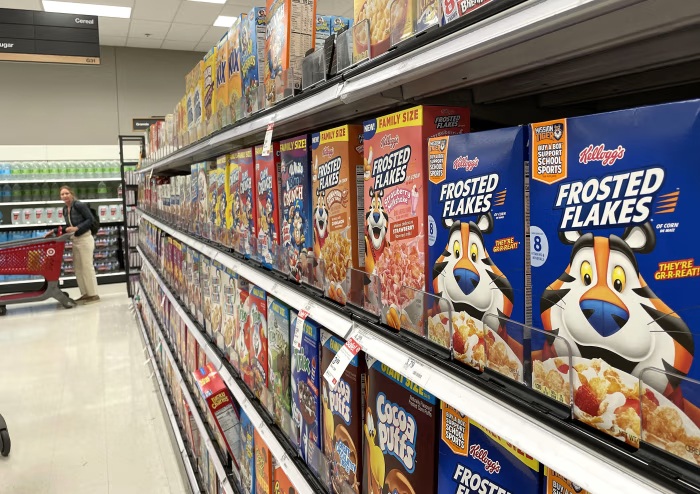
Global retail giant Target has announced that it will stop selling breakfast cereals made with synthetic colours by the end of May.
The move comes amid rising concerns over ultra-processed foods and their potential impact on health—a trend increasingly relevant to African consumers.
“Consumers are prioritising healthier lifestyles, and we are moving quickly to meet their needs,” said Cara Sylvester, Target’s chief merchandising officer.
Synthetic dyes, often linked to hyperactivity in children and long-term health risks, have been a focus for food regulators and health campaigns worldwide.
In the US, initiatives like Robert F. Kennedy Jr’s “Make America Healthy Again” have pushed retailers and manufacturers to reconsider ingredients. Major brands such as General Mills, Kraft Heinz, and Conagra Brands have committed to gradually removing artificial colours from their products.
For African shoppers, Target’s announcement is a reminder to be vigilant about what is in packaged foods. Reading ingredient labels, choosing cereals and snacks with natural colours, and supporting local brands that prioritise clean ingredients can reduce exposure to synthetic additives.
Target reports that 85% of its cereal sales are already from products without synthetic dyes, and the company aims to make the remaining range compliant by May.
Retailers worldwide are adjusting their shelves to match growing consumer demand for healthier, natural options—a trend that is slowly influencing African supermarkets and food manufacturers.
As packaged foods become more popular across the continent, this global shift highlights the importance of transparency, nutrition, and informed choices.
African consumers now have an opportunity to drive change in the market by demanding products free from artificial additives, encouraging local producers to prioritise natural ingredients, and making healthier breakfast choices for families.