



Uganda’s annual inflation accelerated to 4.0% in the 12 months to July 2026, up from 3.7% recorded in June, as rising fuel, utility and food prices pushed up the cost of living, according to the latest Consumer Price Index (CPI) released by the Uganda Bureau of Statistics.
The increase was largely driven by a sharp rise in Energy, Fuel and Utilities (EFU) inflation, which climbed to 14.9% in July from 11.9% in June. Food crops and related items also returned to positive territory, registering annual inflation of 1.6% compared to 0.0% a month earlier.
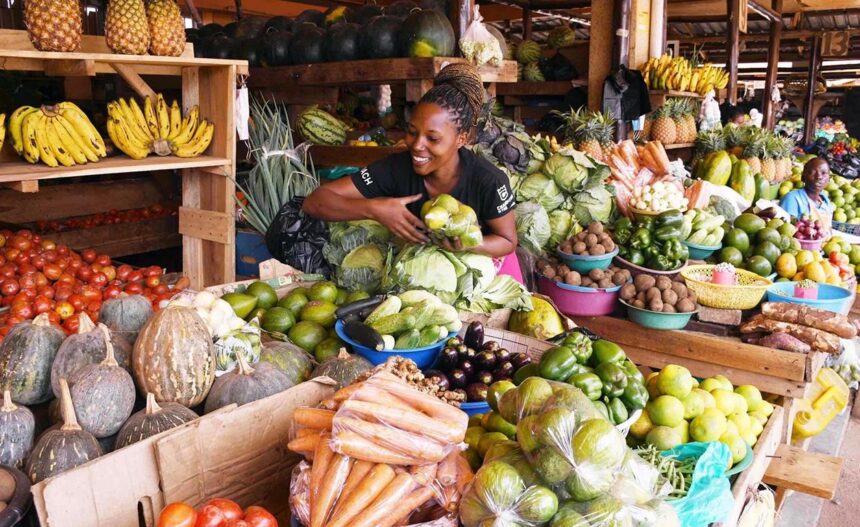
Several essential household commodities became more expensive during the period. Prices of passion fruits, cabbages, green bell peppers, cassava flour, laundry soap, beef and mukene all recorded notable increases compared to June, adding pressure on household budgets.
Among the key food items, annual prices for cassava flour surged by 25.7%, mukene by 24.5%, beef by 9.1% and laundry soap by 4.8%. Fresh leafy vegetables posted an annual increase of 26.2%, while passion fruits rose by 13.6% and fresh cassava by 25.9%.
Utility and transport-related costs remained a major source of inflationary pressure. Annual water charges rose by 17.8%, petrol prices increased by 29.0%, while diesel prices jumped 39.0% compared to the same period last year. Electricity tariffs also edged up by 2.2%.
UBOS data shows that under the internationally recognised Classification of Individual Consumption According to Purpose (COICOP), housing, water, electricity, gas and other fuels registered annual inflation of 6.7%, up from 4.9% in June.
Food and non-alcoholic beverages increased to 3.1% from 2.6%, while transport inflation rose to 9.3% from 8.8%.
Geographically, Kampala’s high-income households experienced the highest annual inflation at 5.0%, followed by Jinja Centre at 4.2%. Fort Portal recorded the lowest inflation rate at 2.7%, reflecting relatively subdued food and accommodation costs.
Despite the annual increase, monthly headline inflation eased to 0.2% in July from 0.6% in June. The slowdown was supported by lower prices for several food items, including matooke, tomatoes, pineapples, Irish potatoes and onions, although higher water, electricity and fuel charges continued to exert upward pressure on consumer prices.