



AIDS Healthcare Foundation (AHF) Uganda has renewed its call for stronger protection and empowerment of young girls, warning that the country is facing an alarming rise in HIV infections, teenage pregnancies and sexual violence among girls aged 15–24.
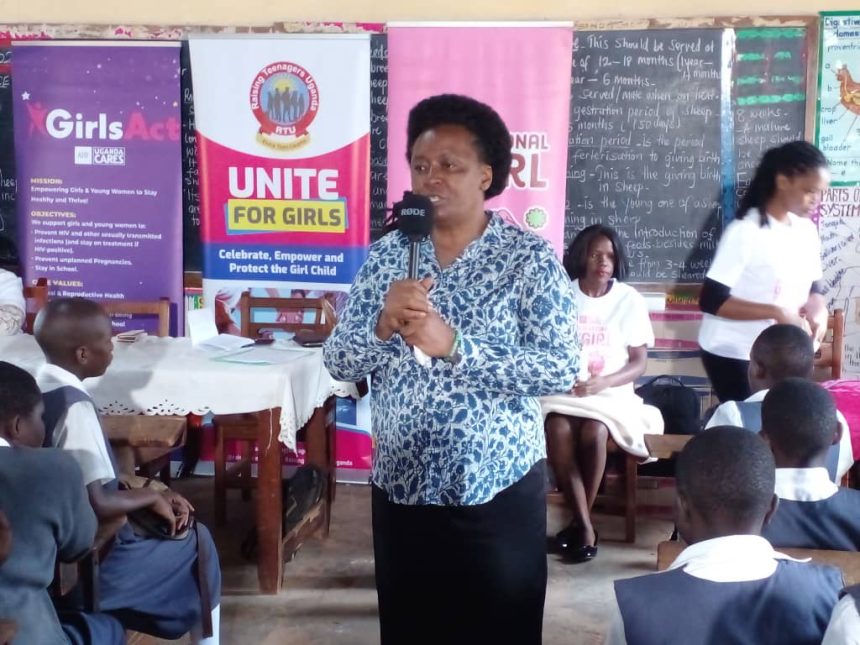
The appeal was made during a belated commemoration of the International Day of the Girl Child held at St. Martin Primary School in Mulago, Kampala organised in collaboration with the Ministry of Gender, Labour and Social Development, the Ministry of Health, Raising Teenagers Uganda, Centre for Women’s Justice and Concern for Children and other partners.
Speaking at the event, AHF Uganda Cares’ Programme Officer, Mbabazi Martha – representing the organisation’s broader advocacy agenda – said the crisis facing adolescent girls is now a public health emergency that demands coordinated action from government, parents, schools and civil society.
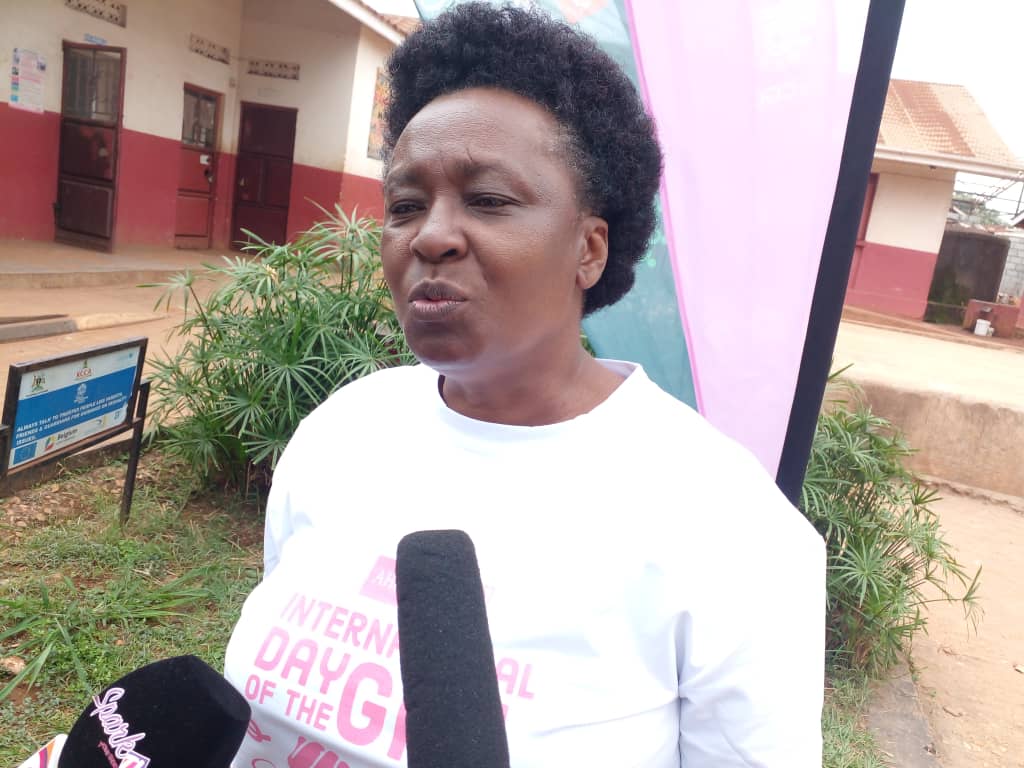
“We are registering the highest HIV infections and teenage pregnancies in the 15–24 age bracket, and this is very worrying for us as a nation,” she said. “Globally, 4,000 girls get infected with HIV every week, and Uganda is part of that crisis.”
Martha noted that while AHF has supported St. Martin Mulago for years with menstrual health products and sexual and reproductive health information, this year’s commemoration was designed to go beyond donations and spark a deeper conversation on protection, dignity and agency for girls.
Much of her message focused on the growing disconnect between children and parents, which she described as one of the leading drivers of exploitation, sexual abuse and HIV exposure.
“One of the biggest challenges these girls face starts from home – lack of love and guidance,” she said. “Parents are busy trying to make ends meet, children return home exhausted from school, and no one is talking to them. That silence is where danger grows.”
She warned that early sexual debut is becoming more common, with some girls getting exposed as early as six years old. She called for the revival of abstinence messaging, tighter community vigilance, and stronger family involvement in safeguarding girls.
Martha also highlighted the role of relatives and trusted adults in sexual abuse cases, saying many girls are violated by people they are left with in the name of care.
“We cannot keep quiet when research shows that relatives are the main molesters. We need parents to stop leaving children with just anyone. Protection starts at home.”
She urged government to scale up sexuality education in schools and communities, arguing that early knowledge is critical to preventing exploitation. “A girl who learns to detect a ‘bad touch’ early can save herself from abuse. Knowledge is power – and safety.”
Hope Nankunda, Executive Director of Raising Teenagers Uganda, echoed the urgency of collaboration, saying girls need not only information but inspiration and reassurance.
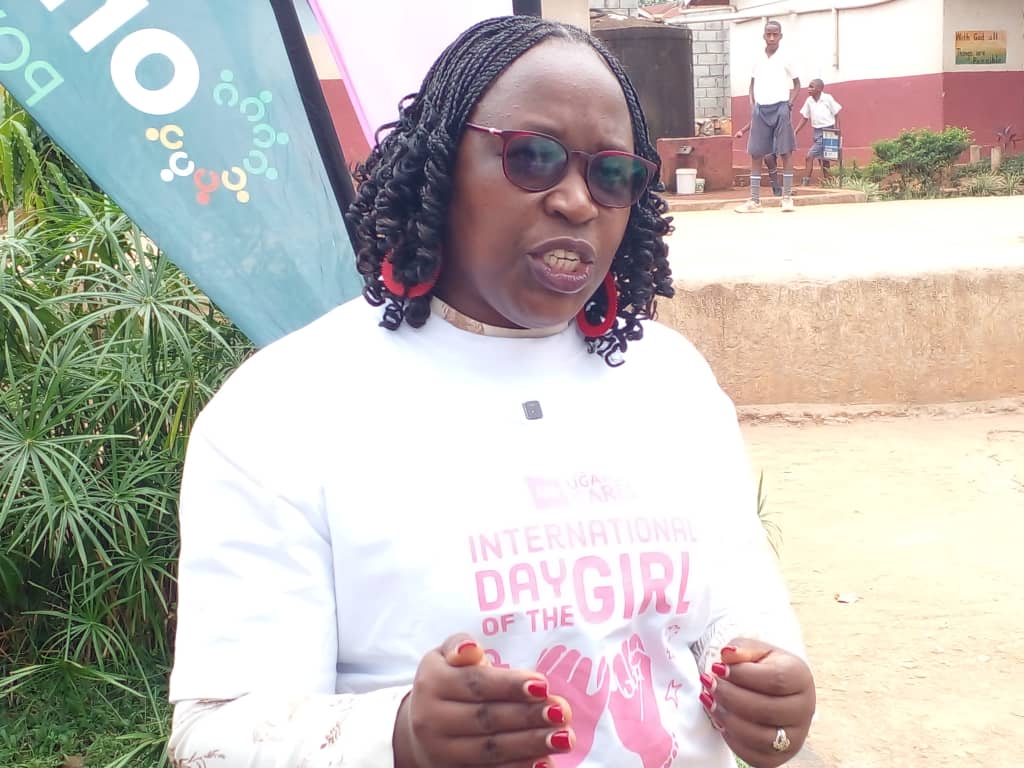
“Every girl has the potential to achieve her dreams, but they need to be encouraged and reminded that they matter,” she said. She cited worrying statistics: 24% of Ugandan girls experience teenage pregnancy, while one in five becomes a child bride before 18. “Any child under 18 should be in school – not in a marriage,” she added.
From the Ministry of Health, Juliet Cheptoris, the incharge of Adolescent and School Health Division, reaffirmed that adolescent girls and young women remain the highest contributors to new HIV infections in Uganda, adding that girls are twice as likely as boys of the same age to contract the virus.
She said the ministry is using a multi-sectoral approach to address structural barriers like violence, stigma and lack of reporting systems.
Evelyn Abiro, head prefect of St. Martin Primary School, said the engagement opened her eyes to the reality of violence and sexual abuse.
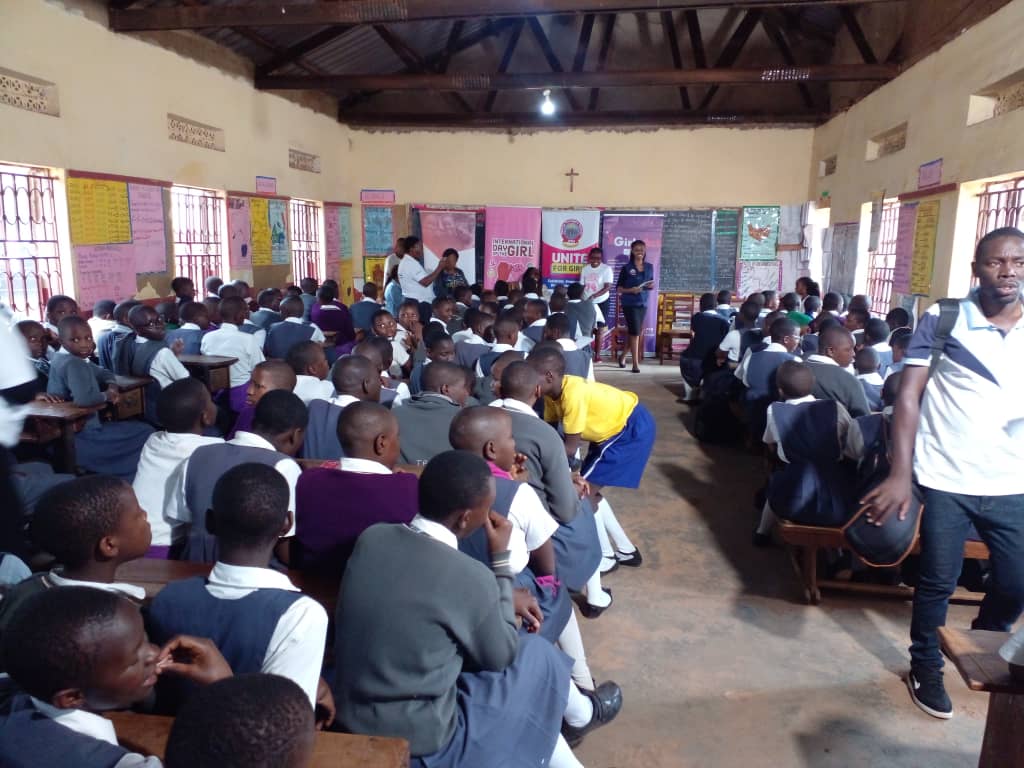
“I learned that girls have power and should be respected,” she said. “If something bad happens, we should report and not fear.”
Asked what advice she would give her peers about sexual safety, she replied:
“A girl must protect her body. If someone tries to convince you into anything, report immediately.”
The message to government was clear: strengthen community systems, revive family responsibility, and protect girls before the situation worsens.
“We can only save the girl child if we work together – from the family to national level,” Martha concluded. “Let us talk to girls everywhere: at school, in communities, and at home. Silence is no longer an option.