


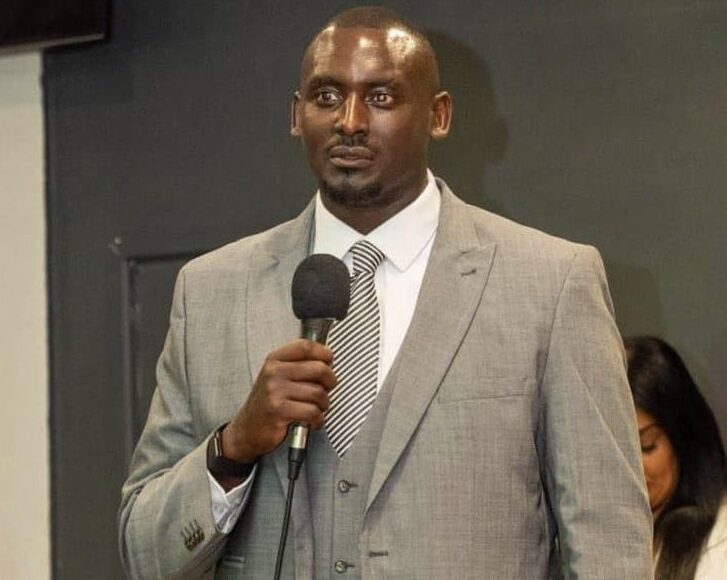
By Steven Ainganiza, Fort Portal
The long-running uncertainty over who will inherit the Tooro throne has taken a decisive turn, with the kingdom’s Royal Succession Committee selecting 36-year-old George Desmond Kamurasi as the proposed successor to the late King Oyo Nyimba Kabamba Iguru Rukidi IV.
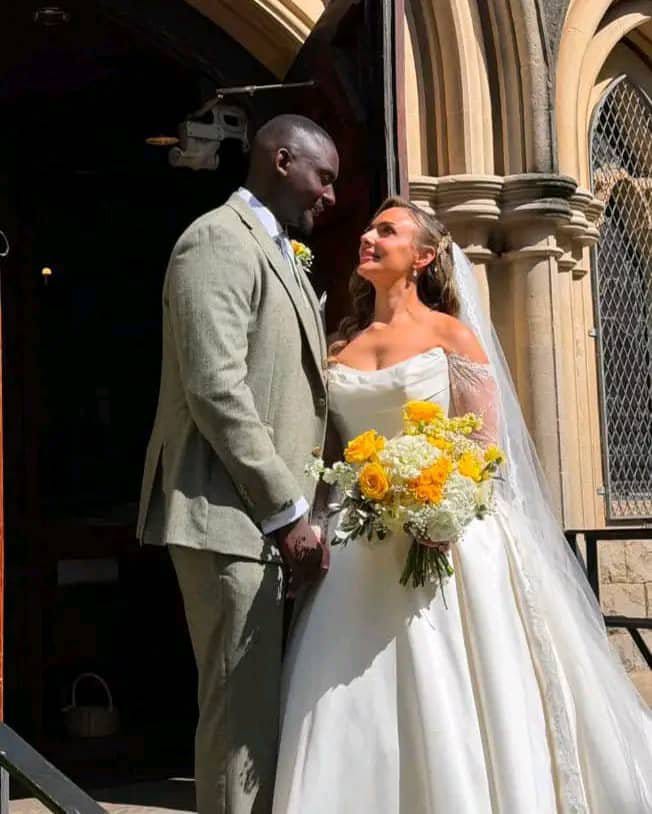
Kamurasi was selected on Friday, September 4, at a meeting of the 21-member succession committee held at Fort Motel in Fort Portal City. Eighteen members attended the four-hour meeting, with 15 voting in his favour, according to details released by journalist Andrew Mwenda and subsequently reported by Ugandan media.
The decision represents the most significant development yet in a succession process that has been closely watched both inside and outside Tooro following King Oyo’s death in the United States on August 27 at the age of 34.

However, Kamurasi’s selection does not yet amount to his formal installation as Omukama.
The Office of the Omusuuga, the head of the Babiito royal clan, remains responsible for the traditional succession process. The kingdom’s 21-member committee was established by the Babiito on August 28 specifically to identify a successor and guide the cultural procedures surrounding the transition.
According to Mwenda, Omusuuga Charles Akiiki Kamurasi has indicated that the formal public announcement of the new king will be made after King Oyo’s burial, in keeping with Tooro custom.
That distinction is important because the kingdom has been operating under a traditional interregnum since Oyo’s death, with the Babiito asserting authority over the process of identifying his successor.
A succession shaped by uncertainty
The selection of Kamurasi follows weeks of uncertainty over the identity and status of an alleged biological heir to King Oyo.
When announcing the monarch’s death, Tooro Prime Minister Calvin Armstrong Rwomiire Akiiki said the king had left behind a young son whose identity would be revealed in accordance with tradition. But the claim was subsequently challenged by the Babiito leadership.
Omusuuga Charles Kamurasi said the royal clan had no knowledge of such a child and maintained that, in the absence of a recognised biological heir, the succession would have to be determined from among the wider Babiito royal lineage.
That disagreement briefly exposed a deeper question over who has authority to determine succession in Tooro: the political administration of the kingdom or the Babiito royal clan.
The Babiito subsequently made clear that succession was a cultural process under the authority of the Omusuuga and constituted the 21-member committee to handle the matter.
Kamurasi’s selection therefore appears to have brought the process back firmly under the traditional framework established by the royal clan.
Who is George Kamurasi?
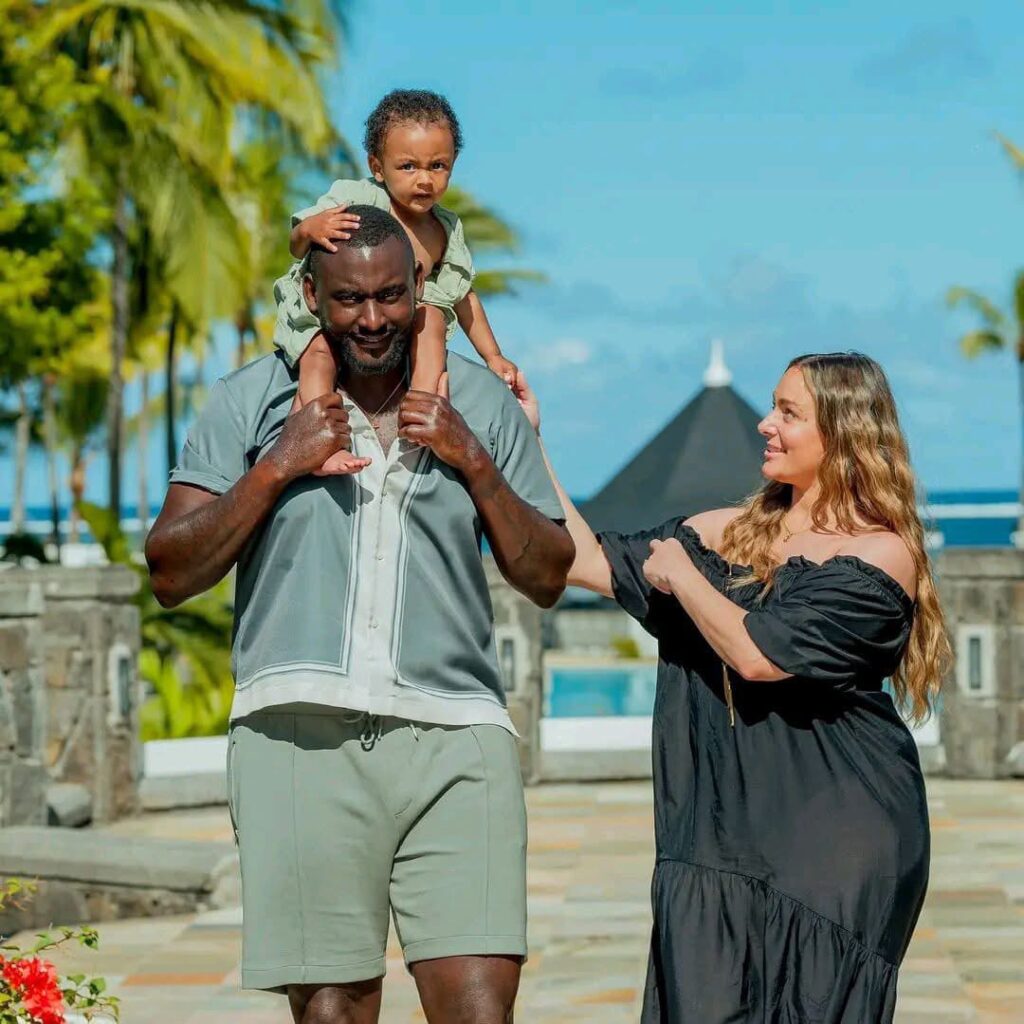
Kamurasi comes from one of the established branches of the Babiito royal family.
He is the son of George Desmond “Jimmy” Mugenyi, the younger brother of former Tooro King Patrick David Matthew Olimi Kaboyo II. According to accounts cited in the succession discussions, Mugenyi was positioned second in the line of succession to his brother under the succession arrangements associated with their father, the late King George Rukidi III.
His lineage therefore gives him a direct connection to the historical succession structure of the Tooro monarchy rather than making his emergence a departure from established royal traditions.
His selection is also significant because it brings another branch of the Babiito royal family to the centre of the monarchy following Oyo’s more than three-decade reign.
Oyo became Omukama in 1995 at just three years old following the death of his father. His extraordinary childhood accession made him one of the world’s youngest monarchs and gave Tooro international visibility. He remained on the throne for more than three decades before his death in Dallas, Texas.
Government support
The succession decision has also attracted reported backing from Uganda’s political and security establishment.
Mwenda said he briefed Chief of Defence Forces Gen Muhoozi Kainerugaba and Commander of Land Forces Gen Kayanja Muhanga following the committee’s decision.
According to Mwenda, Gen Kainerugaba endorsed Kamurasi’s selection, describing it as consistent with Tooro customs, precedent and succession arrangements. Mwenda also reported that President Yoweri Museveni supports the committee’s decision and had sent a delegation led by a senior Cabinet minister to Fort Portal for consultations with key stakeholders.
The reported government support gives the succession process an additional layer of political significance, although the constitutional role of traditional leaders remains cultural rather than governmental.
The final step
For now, Tooro remains without a formally proclaimed successor.
King Oyo’s burial is scheduled for September 12 at the Karambi royal tombs, a date that coincides with the anniversary of his coronation. The kingdom has said the nine-day mourning period will culminate in the burial before the succession process moves to its next stage.
The formal proclamation of Kamurasi will therefore be closely watched.
If the Omusuuga confirms the committee’s decision after the burial, Kamurasi will inherit a monarchy confronting a very different set of challenges from those faced by Oyo when he ascended the throne as a child.
His task will be to preserve the cultural authority and identity of the Tooro monarchy while navigating expectations from the royal family, clan leaders, government, younger generations and the wider public.
For Tooro, the succession is more than a change of monarch. It is a test of whether one of Uganda’s oldest traditional institutions can manage a delicate transition through its customary structures while maintaining unity after the death of a king who had occupied the throne for more than 30 years.
George Kamurasi has now emerged as the leading figure in that transition.
But until the Omusuuga makes the formal declaration, Tooro’s next Omukama remains, technically, a successor-designate rather than an installed king.