


Uganda’s annual headline inflation climbed to 5.8% in October 2026, its highest level in 14 months, as rising food, fuel and transport costs intensified pressure on household budgets and business operating expenses.
Figures released by the Uganda Bureau of Statistics (UBOS) show inflation accelerated from 4.6% in September, signalling a faster increase in the prices consumers pay for everyday goods and services.
Sam Echoku, Head of Department for Macroeconomic Statistics at UBOS, said the October reading represented the highest inflation rate recorded over the past 14 months.
“The 5.8% is the highest we have had in the last 14 months,” Echoku said.
Food crops and related items were among the biggest contributors, with annual inflation rising to 10.7% from 4.5% in September. Dry beans recorded a 22.5% price increase, while sweet potatoes rose by 15.1%. Pineapple prices increased by 35.5%, reversing a decline recorded the previous month.
Pressure also spread to services and manufactured goods. Core inflation, which excludes food crops, energy, fuel and utilities, increased to 4.4% from 3.7%.
Transport services inflation reached 14.6%, while garbage collection charges surged to 40.3%, reflecting higher costs for essential household services.
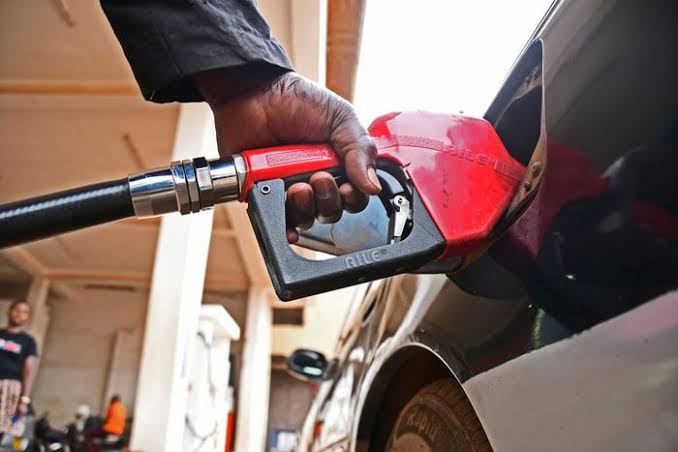
Fuel prices presented another challenge. Diesel prices rose by 49.2% over the year, while petrol increased by 34.3%. Such increases threaten to raise transportation, distribution and production costs, potentially feeding into the prices consumers pay for other goods.
Geographically, Kampala’s low-income category recorded the highest inflation at 6.7%, followed by middle-income households at 6.1%. Masaka registered the lowest increase among the reported centres at 4.8%.
The October figures highlight growing pressure on purchasing power, with households facing higher living expenses and businesses confronting rising operating costs.