



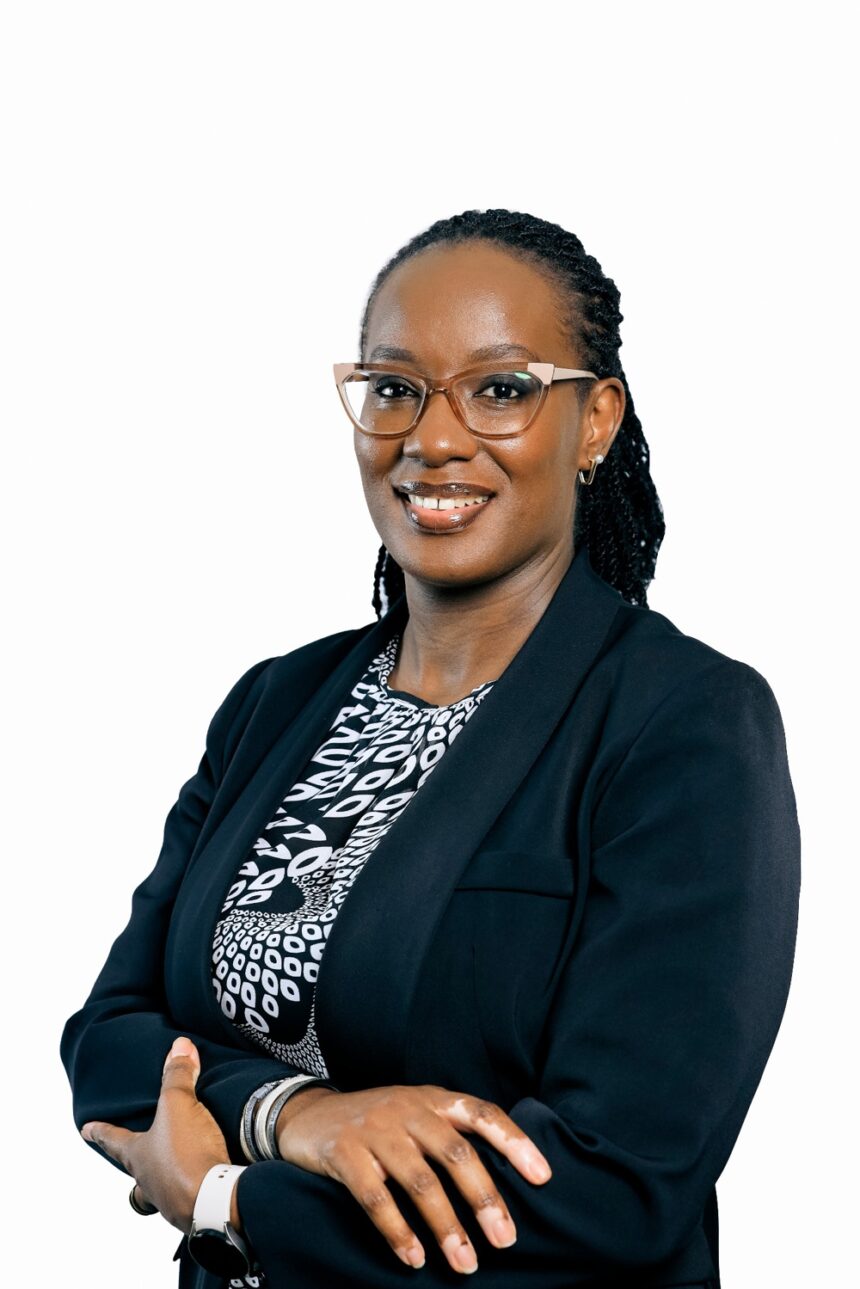
By Miranda Bageine Musoke
One of the most transformative forces in Uganda’s economy continues to operate in plain sight, yet receives far less recognition than it deserves. It is not always represented in boardrooms or featured in glossy business headlines, but it is present in markets, online stores, salons, farms, workshops, and trading centres across the country. It is the Ugandan woman entrepreneur.
Across Uganda, women are building businesses without waiting for ideal conditions. They are creating opportunities in environments often defined by limited financing, social expectations, and structural barriers. Still, they persist. They innovate. They grow.
According to the 2020 MasterCard Global Index of Women Entrepreneurs, women own an estimated 40 percent of businesses in Uganda, while nearly one in three micro, small, and medium enterprises is led by a woman. These enterprises are not merely side activities. They are economic engines sustaining families, employing young people, and keeping communities afloat.
From small market stalls to fast-growing digital enterprises, women are converting ambition into income and informal hustle into structured enterprise. Quietly but consistently, they are strengthening the backbone of Uganda’s economy.
Yet despite their contribution, many women-owned businesses remain trapped at the micro level. Most employ fewer than five people, and only a small fraction successfully scale into medium-sized enterprises. This is not because women lack capability or vision. More often, it is because the systems around them have not been designed to help them grow.
For years, support for entrepreneurs has focused narrowly on transactions; loans disbursed, accounts opened, products sold. But empowering women in business requires more than access to capital alone. It demands solutions that are practical, relational, and human-centred.
At KCB Bank Uganda, we have seen firsthand that behind every business statistic is a story of resilience, sacrifice, and untapped potential. Through our engagement with women entrepreneurs, one reality has become increasingly clear: sustainable growth happens when financial support is combined with mentorship, advisory services, and access to meaningful business networks.
This understanding informed the development of flme (Female-Led & Made Enterprises), a proposition designed to support businesses owned and run by women. The initiative moves beyond the idea of a one-size-fits-all solution. Instead, it recognises that women entrepreneurs face layered realities that cannot be solved through financing alone.
A woman starting or growing a business is navigating far more than revenue targets and balance sheets. She is balancing uncertainty with ambition, opportunity with responsibility, and enterprise with family obligations. When support systems acknowledge these realities, businesses become stronger, growth becomes more intentional, and confidence begins to multiply.
The impact extends far beyond individual enterprises. When women succeed economically, families become more stable, children gain better opportunities, and communities become more resilient. Supporting women entrepreneurs is therefore not charity or corporate symbolism. It is sound economic strategy.
Uganda’s economic future will not be built around women as passive participants. It will be built because of women as active drivers of growth, innovation, and transformation.
If Uganda is serious about inclusive prosperity, then investing in women-owned businesses must move from conversation to commitment. Because when women rise economically, entire nations rise with them.
The author is the Head of Retail Banking KCB Bank Uganda.