



East African marine transport companies are calling on regional Heads of State to support the sector, citing its affordability and efficiency as key benefits.
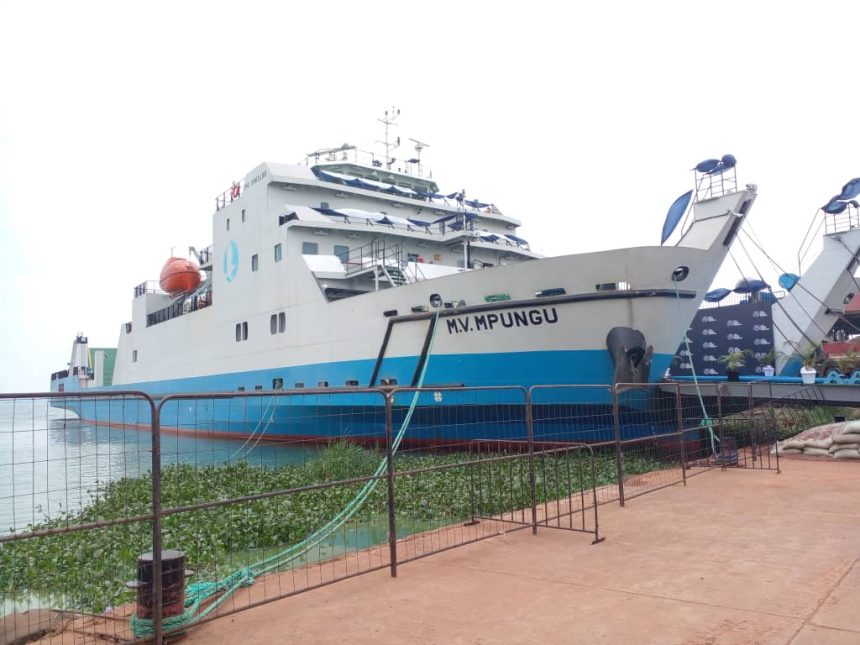
The appeal comes following the launch of operations of Marine Vessel (MV) Mpungu, a development that is expected to revolutionize freight transport in the region.
The East Africa Marine Transport (EAMT) Director, Ronald Seema, emphasized the importance of expanding marine transport to counter the high logistics costs currently affecting Uganda and neighboring countries.
Transport and logistics experts have long expressed concerns over the high costs associated with road transport in the region.
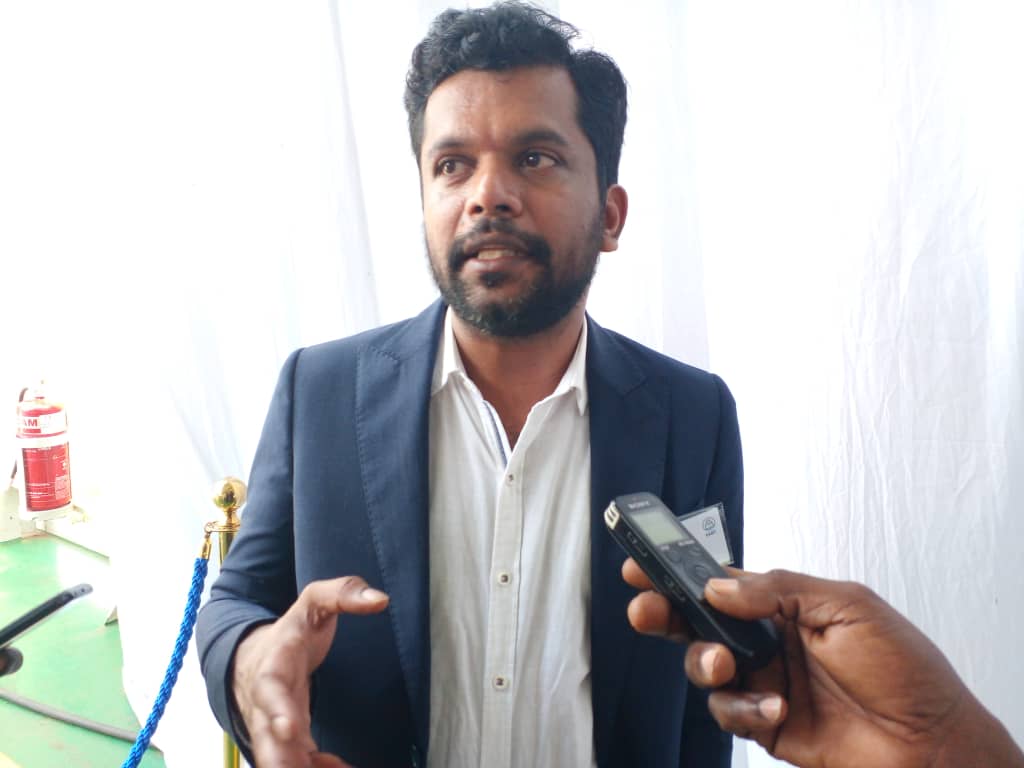
Vineeth Kumar, the Commercial Manager of Suhara Logistics, echoed these concerns, stating that the initiation of MV Mpungu as the first scheduled roll-on/roll-off freight service is a step in the right direction.
“East Africa still has a high rate of transport costs in the world per kilometer and its 90% dependent on road transport which is not efficient and viable”,he said.
The launch of MV Mpungu marks a new era of faster, greener, and more cost-effective transport solutions for the region.
PIDG Chief Investment and Project Development Officer at InfraCo, Gilles Vaes, also highlighted the investment opportunities MV Mpungu presents.
He noted that the vessel is expected to attract new investments, open up new trade routes, and accelerate economic activity in the region.

“This vessel is offering international transport of goods in and out of Uganda a cheaper,safer more predictable and faster way to ship goods,”he remarked.
“We are looking to make a fair return on investment and we are in it for a decent profit because the joint venture(Grinrod and Infraco) invested significantly,and took a lot of risks,”Gilles added.
Lake Victoria’s freight transport has historically been unreliable, limited to ad hoc sailings. However, MV Mpungu addresses these logistical challenges by significantly reducing transit times.
While transporting cargo from Kampala to Mwanza port by road takes up to four days, the vessel reduces this time to just 18 hours. It operates two scheduled trips per week between Mwanza and back, ensuring consistency and efficiency in the transportation of goods.