




Uganda has reaffirmed its commitment to private sector–driven growth and industrial transformation with the official opening of the Chint Electrical Centre on Jinja Road in Kampala, a state-of-the-art facility expected to boost local manufacturing, create jobs, and expand access to affordable electrical and energy solutions.
Prime Minister Robinah Nabanja, who presided over the launch, described the investment as a milestone in Uganda’s journey towards socio-economic transformation. She praised Chint Uganda and its partners for their long-standing commitment to building capacity in the energy and manufacturing sectors.

“Today is a highlight of the NRM leadership of building a resilient and sustainable economy by attracting investments that create jobs for especially our vast community,” Nabanja said.
The Prime Minister noted that Uganda’s economy has grown nearly fifteenfold since 1986, with projections to expand at 7.3 percent in the 2025/26 financial year. She emphasized that partnerships such as the one with Chint reinforce Uganda’s position among the fastest-growing economies in the world, according to recent IMF rankings.
Two Decades of Growth
Chint Uganda’s founder and CEO, Shi Jiane Sherry, reflected on the company’s 20-year journey in Uganda, which began with a small shop in downtown Kampala selling basic electrical accessories. Over the years, the business grew steadily, shifting from ordinary trading to partnering with Chint Electric, a global leader in electrical and new energy solutions.
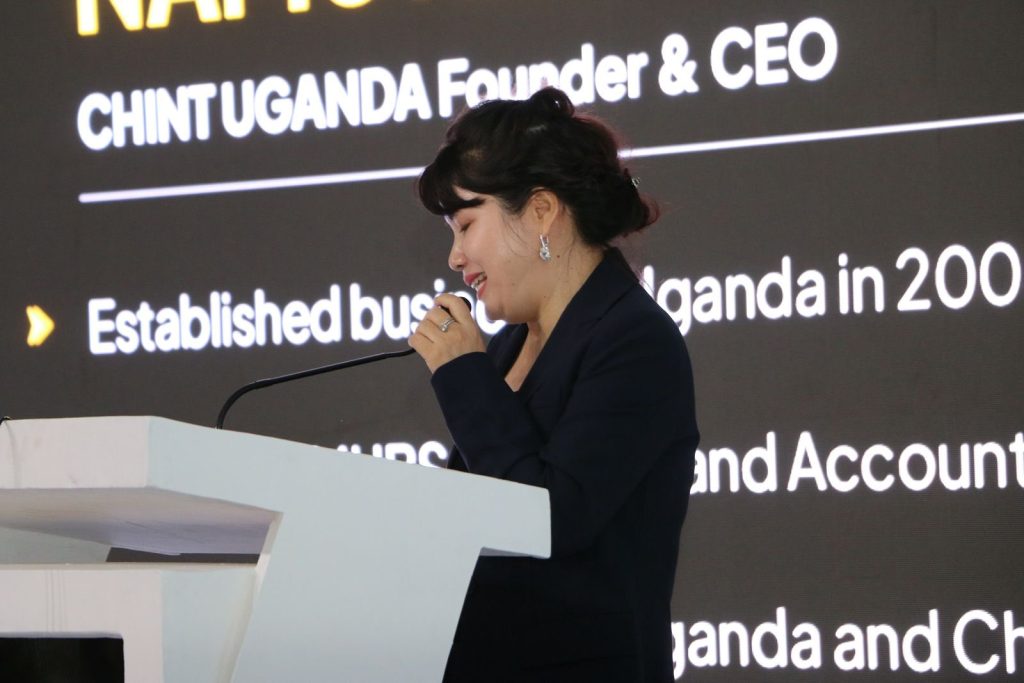
“This building is not just a showroom; it is a testament to 20 years of resilience, partnership, and belief in Uganda’s potential,” Shi said. “We started with only two containers of goods a year, but today, Chint is a household name in Uganda.”
Chint Uganda has diversified into manufacturing, including the production of prepaid energy meters (commonly known as Yaka meters) and electrical cables, contributing directly to the “Buy Uganda, Build Uganda” policy. The company also revealed that its multi-billion-dollar tire factory is in the final stages of installation and is expected to be commissioned next year.
Marketing and Energy Innovation
According to Hurry Mugisha, Chint Uganda’s Marketing Manager, the new centre will play a pivotal role in meeting Uganda’s growing demand for energy and modern living solutions.

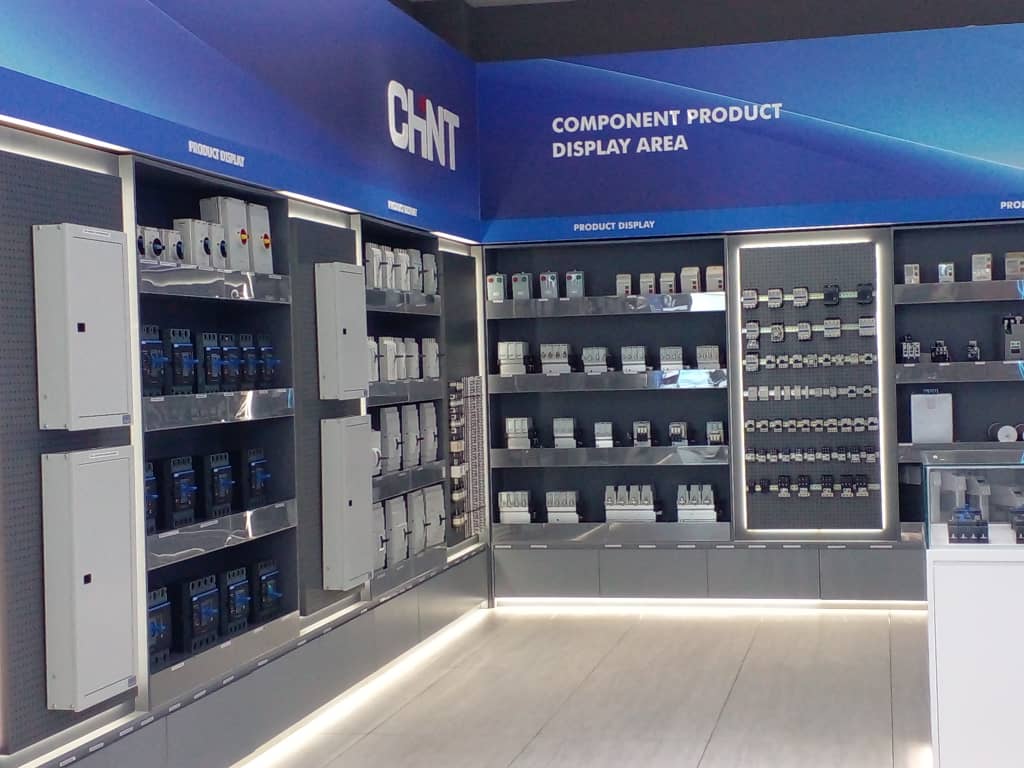
“The Chint Centre is not just a showroom for cables and meters; it is also a hub for luxury living, integrating lighting, furniture, and renewable energy solutions such as solar-hybrid inverters,” Mugisha explained. “By creating more demand for our factories, we will double employment opportunities, expand tax contributions, and strengthen the local economy.”
Mugisha added that with Uganda exploring local copper refining, Chint Uganda could soon source a significant share of raw materials domestically, further deepening industrial linkages.
Private Sector as Engine of Growth
Nabanja emphasized that Uganda’s overriding growth strategy rests on enabling the private sector to thrive. She credited political stability, decentralised governance, and prudent macro-economic policies since 1986 for creating an environment where businesses like Chint can succeed.
“Uganda offers very diverse opportunities in all sectors. Our resilience, even during global crises like the 2008 financial downturn and the COVID-19 pandemic, proves that investors can trust Uganda as a destination,” she said.
She further highlighted that Uganda’s prosperity strategy goes beyond wealth creation to focus on job dignity and inclusiveness:
“Our measure of success will not just be how much wealth we create, but also how many people benefit from it.”
Expanding Regional Footprint
Chint Uganda’s operations extend beyond Uganda into Kenya, Tanzania, and South Sudan, employing thousands directly and indirectly through dealers, engineers, and interior designers. The company currently works with over 500 registered electrical engineers in Uganda.

As the country prepares for oil production and increased regional integration, leaders believe such investments will position Uganda as a hub for industrial and technological innovation in East Africa.
Looking Ahead
With Uganda projected to grow faster once oil and gas production begins, the Prime Minister encouraged more investors to follow Chint’s example by setting up manufacturing plants and leveraging Uganda’s strategic location in East Africa.
Chint Uganda’s expansion, blending manufacturing with modern consumer solutions, illustrates how foreign investment, local entrepreneurship, and government policy can align to accelerate industrialisation.
For customers, the new Chint Electrical Centre promises a one-stop shop for everything from simple electrical components to high-end home and office energy solutions, underlining the company’s ambition to remain Uganda’s “total electrical solutions provider.”