



The East African Legislative Assembly (EALA) is ramping up efforts to tackle the persistent issue of nontariff barriers (NTBs) within the East African Community (EAC).
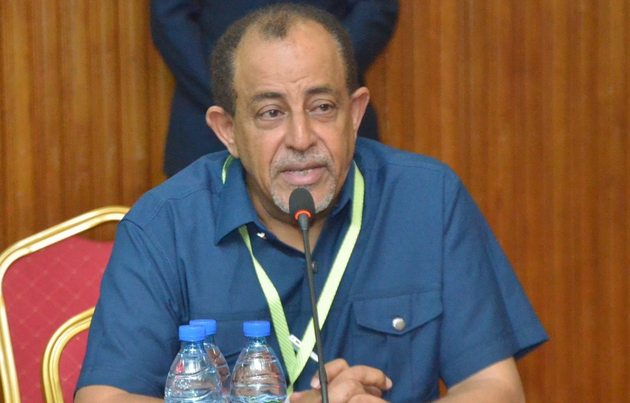
Hon. Suleiman Shabhal, Chairperson of EALA’s Committee of Communication, Trade, and Investment, highlighted the ongoing challenges posed by varying trade standards across member states.
According to Hon. Shabhal, these differing standards often lead to trade barriers when one country’s standards are not recognized by another, creating a significant hurdle for regional commerce.
“In the last four to five years, we have managed to eliminate 590 nontariff barriers, and the effort is ongoing. This is not something that can be solved in one year. NTBs are a continuous issue, but we are actively addressing them,” said Shabhal, emphasizing that the Assembly is currently working on a new bill to standardize regulations across the region.
Shabhal urged the public to remain optimistic, despite the persistent challenges.
“Yes, we have challenges, but we are solving them. People should focus on the progress. The European Union took over 50 years to harmonize trade regulations, and the EAC is well on its way,” he stated.
During oversight visits to ports and border areas, EALA has identified and addressed numerous NTBs at their points of origin. Shabhal attributed the conflicts to inconsistent national standards but noted that significant progress has been made to resolve these issues.
Additionally, the EALA Speaker announced the tabling of several Private Members Bills during the Kampala sitting. These include the East African Youth Bill, to be presented by Uganda’s Gerald Siranda, as well as Bills addressing climate change and anti-female genital mutilation by Jacqueline Amongin. Other anticipated bills include the East African Community Investment Bank Bill and the Pharmaceutical Bill.
The Assembly will also debate eight reports from various committees, including those on election management in the EAC and projects implemented by the Lake Victoria Basin Commission. Public participation will be encouraged, allowing Ugandans an opportunity to present petitions.