



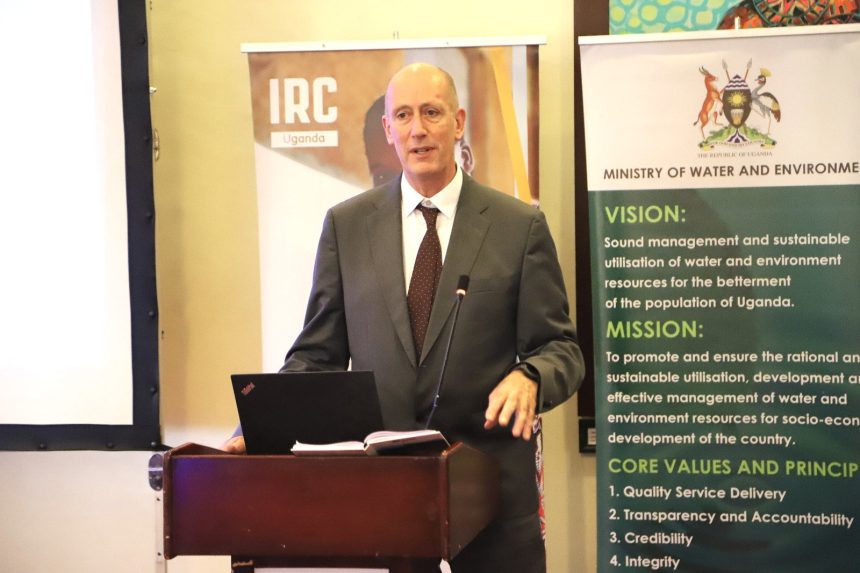
Hygiene and sanitation experts have called on President Yoweri Museveni to lead the charge in improving access to clean water and sanitation in Uganda.
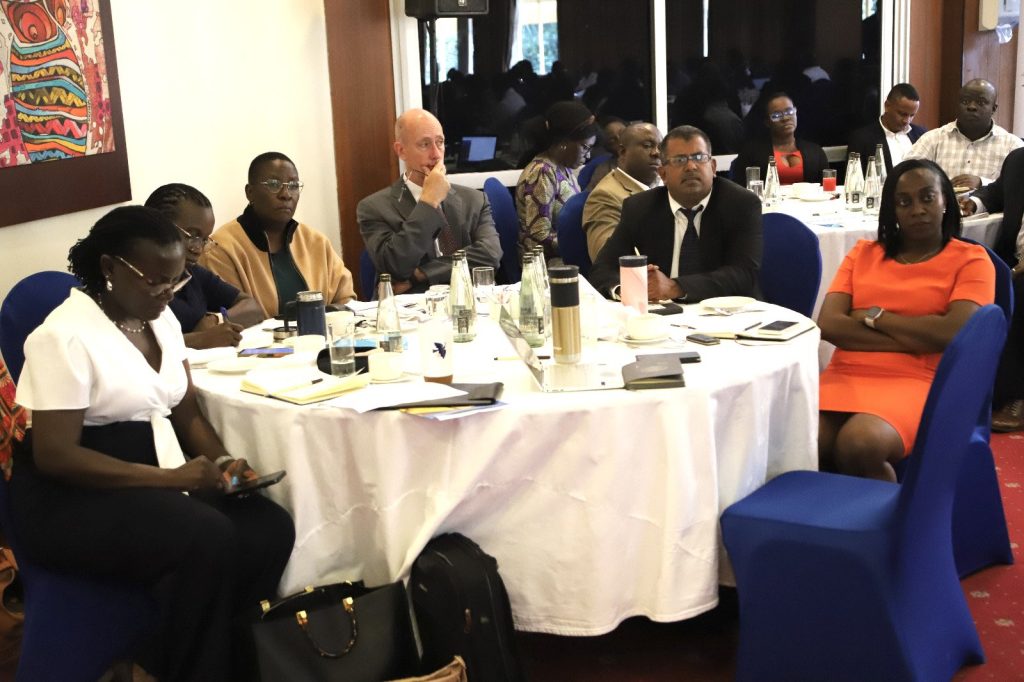
The appeal was made during a stakeholder engagement meeting organized by Sanitation and Water for All (SWA), focusing on the country’s commitment to achieving Sustainable Development Goal 6 (SDG 6), which seeks to ensure universal access to clean water and sanitation.
Kevin Roussel, SWA Regional Coordinator, underscored the interconnectedness of SDGs across countries but lamented the global neglect of SDG 6.
“When the SDGs came along, it took us a long time to see interconnectedness in every country. Every country has a primary SDG focus, yet many care less about SDG 6,” Roussel emphasized.
Patrick Moriarty, CEO of the International Rescue Committee (IRC-WASH), highlighted Uganda’s persistent sanitation challenges, including cholera outbreaks stemming from open defecation.
“These issues should not exist in a country committed to improving public health,” Moriarty stated.
Civil society groups have also raised concerns over Uganda’s sanitation crisis. Jane Nabunya Mulumba, Country Director at IRC and SWA, urged government leaders to actively promote sanitation campaigns.
“Sanitation should be at the forefront of every leader’s agenda. We need champions to spread this message,” she said.
Cate Namyalo, a Senior Environmental Health Officer, proposed establishing National Cleaning Days to foster a culture of cleanliness and community involvement.
“We must revive the spirit of bulungi bwansi to empower communities in maintaining hygiene,” she explained.
Martha Naigaga, WASH Coordinator at the Ministry of Health, revealed that Uganda has been prioritized for support by the SWA Secretariat. The country has been provided with tailored options to bolster its water and sanitation programs.
Experts at the meeting urged President Museveni to spearhead these initiatives, noting that his leadership is crucial in galvanizing national and community efforts.
Uganda’s path to achieving SDG 6 hinges on political will, robust community participation, and sustained investment in water, sanitation, and hygiene infrastructure.