



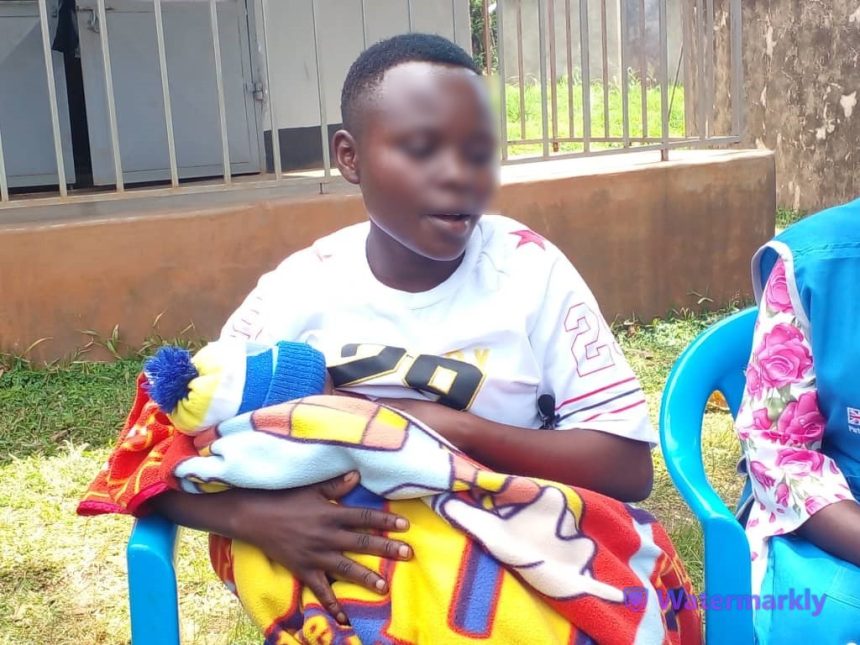
Despite ongoing sensitisation campaigns by Marie Stopes Uganda and Village Health Teams (VHTs), myths, misconceptions, and poverty continue to frustrate efforts to promote family planning and reduce teenage pregnancies in Kasese District.
During a recent outreach visit by Marie Stopes Uganda, Last mile beneficiaries, the teenage mothers and fathers at Kabatunda Health Centre 3 in Kitswamba Subcounty,community health workers and beneficiaries shared mixed experiences about family planning, revealing both progress and persistent cultural barriers.
Muhindo Medias, the VHT Lead Coordinator for Kasese District, described how myths about contraception have created hostility in some communities.
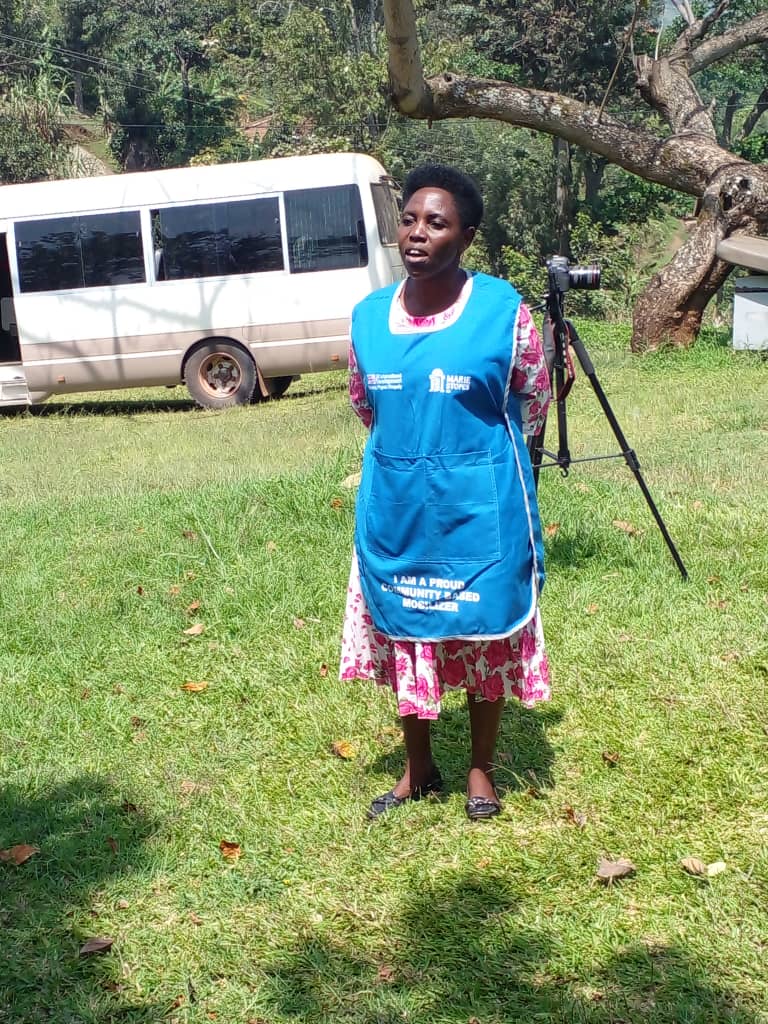
“People say family planning causes cervical cancer, makes women barren, or delays pregnancies,” Medias explained. “We sometimes meet resistance, with men threatening to chase us or even attack our vehicles. But we stop, engage them calmly, and try to educate them.”
Medias said collaboration with local leaders and continued community dialogue have improved awareness. “Through door-to-door campaigns and radio talk shows, many myths are being challenged. We now see more people, especially women, visiting health centres willingly for family planning services,” she added.
However, she noted that some health workers still have a poor attitude towards family planning, which discourages clients. She recommended continuous training and sensitisation for medical staff alongside community education through radio and social media.
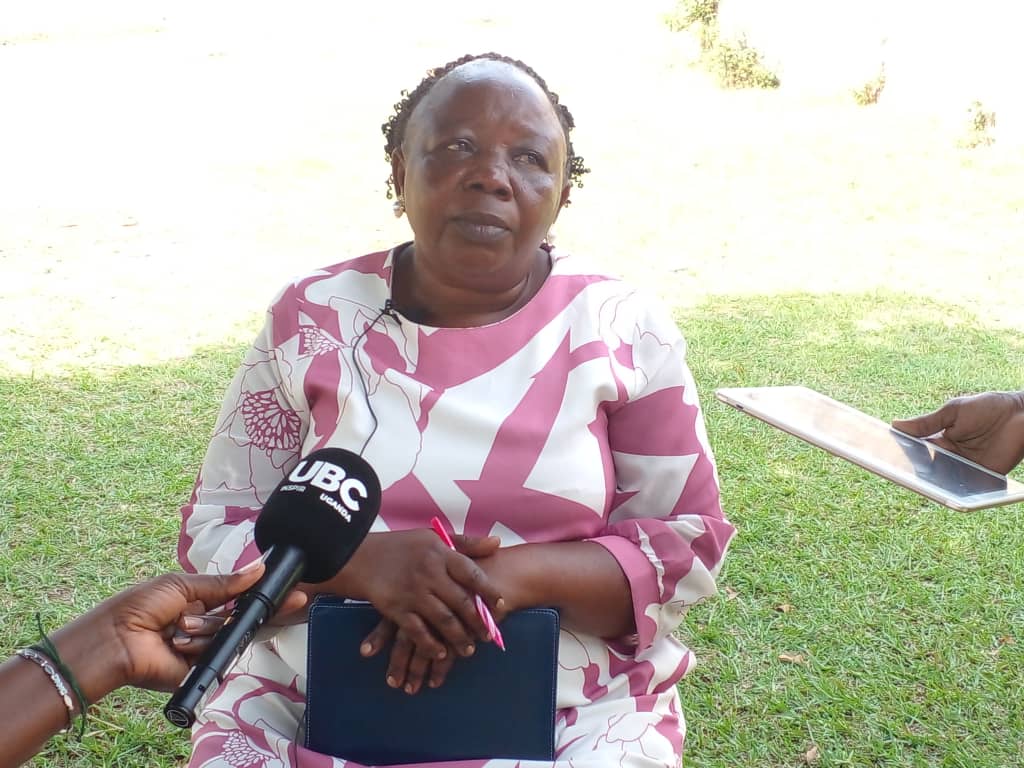
Amid these efforts, teenage pregnancies remain alarmingly high in Kasese. According to Muhido Loy Ssekalombi , the Kasese Assistant District Health Officer in charge of Maternal and Child Health, teenage pregnancies account for about 22 percent of all pregnancies in the district.
“We are still facing a big challenge. The main causes are poverty and domestic violence,” he said. “Many girls engage in sexual activity early because they lack basic needs. We are involving political, religious, and health leaders to fight this together.”
Sekalombi added that all 142 health facilities in the district now provide family planning services, though stockouts occasionally limit access. “We are integrating maternal and child health services and mentoring staff to improve sustainability,” he said.
The outreach also highlighted real-life experiences of young people affected by early pregnancies.
Mumbere Martin, a 19-year-old secondary school student, narrated how he impregnated a girl at age 15 after dropping out of school during the COVID-19 lockdown.
“We were idle at home and I got into relationships,” he admitted. “I learned that it’s better to abstain until marriage, and if one must have sex, to use a condom to avoid early pregnancies.”
Mumbere said Marie Stopes’ outreach helped him understand sexual health and responsibility. “They have taught me how to protect myself and plan for the future. I’ve gone back to school and my parents have forgiven me,” he said, urging fellow youth to “abstain or use protection.”
Another young mother, Muhindo Yolis, 19, shared how she became pregnant at 14 after joining peer groups at school. Her boyfriend abandoned her after learning about the pregnancy, leaving her to raise two children.
Now on a three-year contraceptive implant, Yolis earns a living by selling pancakes along the roadside. She said she resumed family planning after suffering a second unplanned pregnancy.
“I learned my lesson,” she said. “I encourage girls to stay in school and avoid rushing into relationships.”
A midwife at Kabatunda Health Centre III, Kabugho Mary reinforced the message, urging young women to embrace family planning and plan their futures.
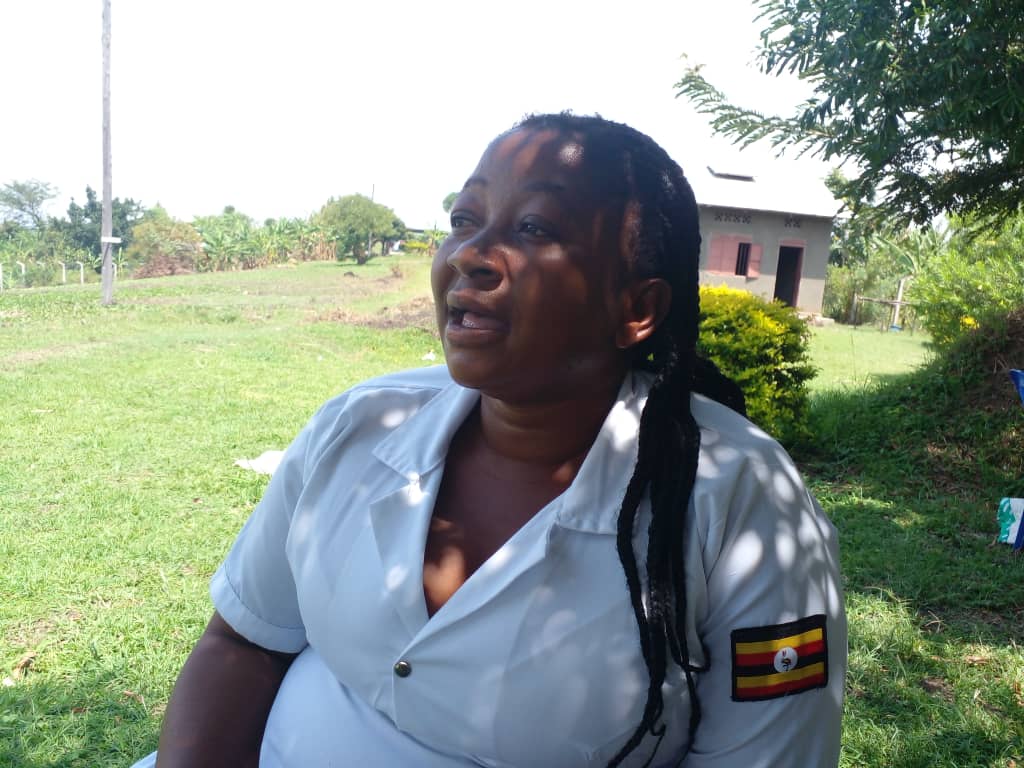
“Family planning is not evil,” she said. “It helps mothers space children, avoid health risks, and focus on education and economic stability.”
Despite the challenges, Marie Stopes and district health teams remain optimistic. With increased community education, local leader engagement, and youth-friendly services, they believe Kasese can reduce teenage pregnancies and dispel harmful myths about family planning.
“When we started door-to-door sensitisation, the change was slow,” Medias reflected. “But today, we see more acceptance. People are learning that family planning is not about stopping childbirth — it’s about giving families and young people a better future.”