



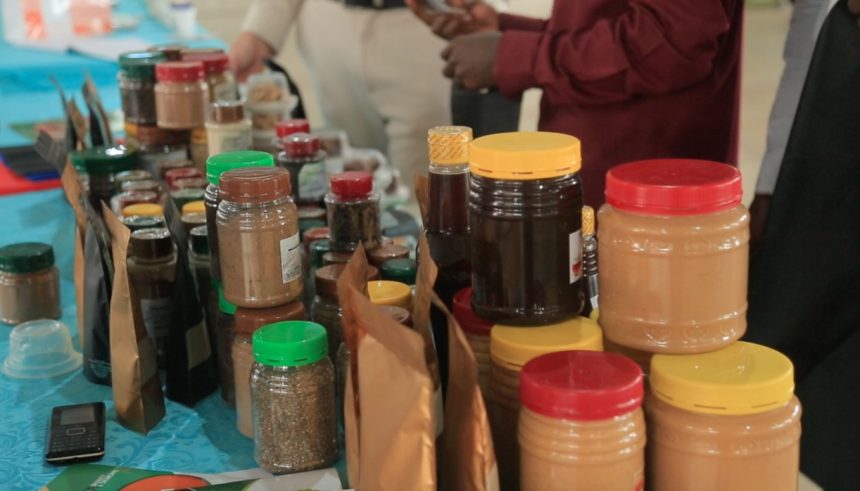
The growth of Uganda’s organic agriculture industry is being recognized globally, but as the sector expands, key stakeholders are calling for more robust regulation to safeguard its integrity and ensure sustainability.
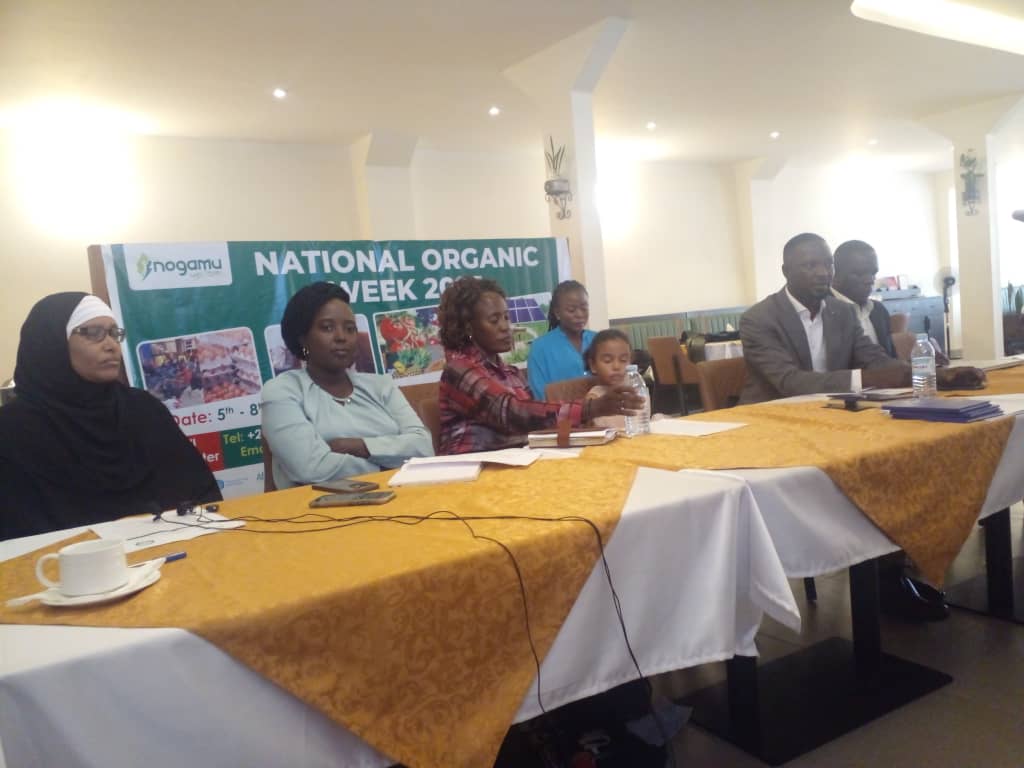
At a press conference held ahead of the National Organic Week, a collection of industry leaders and government officials shared their insights on the current state and future of Uganda’s organic sector.
Among those present were Chariton Namuwoza, CEO of the National Organic Agriculture Movement of Uganda (NOGAMU), Joy Mirembe, a consumer representative, Julie Nakalanda Matovu, an organic farmer, Zahra Muhammed, a food exporter, and Sunday Bob George, a senior agriculture officer at the Ministry of Agriculture, Animal Industry and Fisheries (MAAIF).
The conversation was centered on the burgeoning demand for organic products, both domestically and internationally, and the urgent need to regulate organic farming practices to ensure consumer trust and product quality. A Call for Regulation Chariton Namuwoza kicked off the discussion by emphasizing the pressing need for regulatory frameworks to govern Uganda’s organic sector. “We need a law that speaks to the practices of farmers, traders, and everyone in the value chain,” Namuwoza said.
“Currently, you can walk into supermarkets and find products labeled as organic, but when asked for traceability, suppliers often don’t know what to say. This is a gap that we must close.”

He pointed out that at different levels of the supply chain — from farm to market — contamination risks are high. For example, organic produce can lose its organic status if not handled correctly during storage or transport, particularly when passing through areas where synthetic chemicals are used. The absence of buffer zones around organic farms also increases the risk of contamination from neighboring conventional farms.
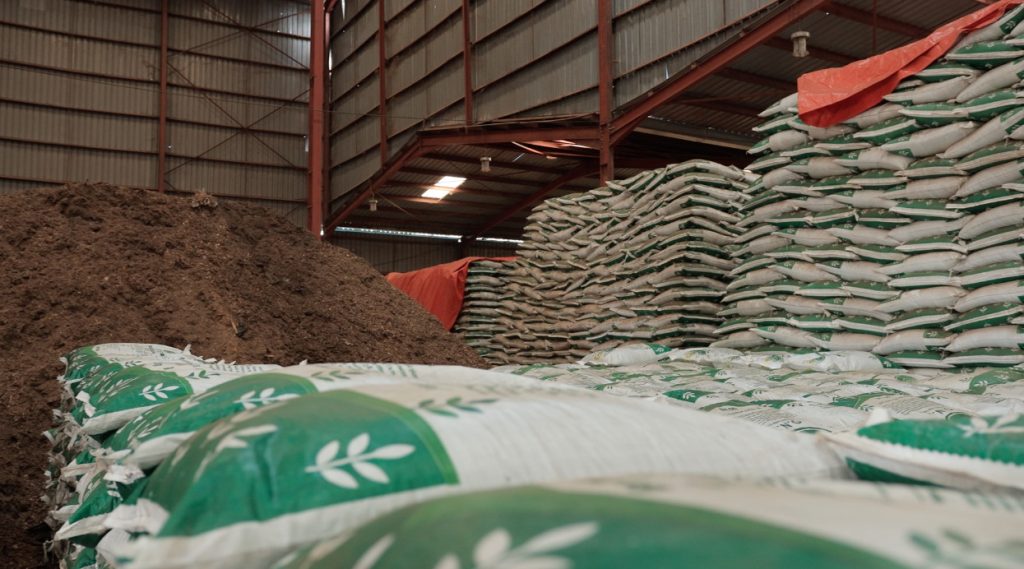
Namuwoza stressed the importance of laws that protect both producers and consumers, ensuring that the organic sector’s growth is sustainable. He also highlighted the government’s role in supporting organic farmers through investments in quality management systems and traceability mechanisms, which would help boost Uganda’s competitive edge in the global organic market. The Growing Demand for Organic Products The organic farming sector in Uganda has made remarkable strides in recent years. Since the approval of the National Organic Agriculture Policy in 2019, there has been significant growth in both the number of certified organic farmers and the capacity to produce organic inputs. Namuwoza noted that Uganda now has factories producing organic fertilizers, pesticides, and probiotics, with enough supply to meet local and international demands.
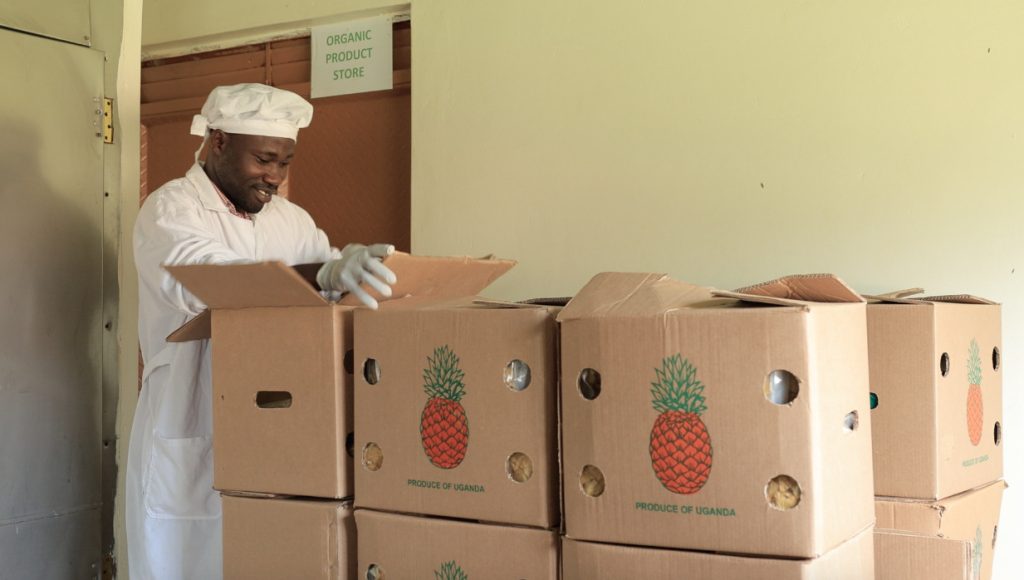
“There is a massive demand for organic produce, both locally and internationally. Buyers are flying in from countries like Germany and the Netherlands to meet our suppliers. This shows that the global market is looking to Uganda as a key source of organic produce,” Namuwoza explained.
However, he also pointed out that the oversupply of organic inputs is a challenge. Some farmers, particularly those transitioning from conventional to organic practices, are hesitant to embrace organic farming due to misconceptions about its effectiveness. Namuwoza urged the government to co-invest in farmer education and the development of affordable certification systems like the Participatory Guarantee System (PGS), which offers an affordable alternative to expensive certification schemes.
Consumer Awareness and Support Joy Mirembe, a consumer representative, shared her personal journey toward understanding the importance of organic food. She recalled her shock at learning the extent to which chemicals were used in everyday Ugandan food production. “I didn’t realize how chemicalized our food was until I saw the impact of these chemicals on our health. Many Ugandans still don’t understand the long-term consequences of consuming chemically treated food,” Mirembe said.
Her passionate endorsement of organic agriculture was echoed by Julie Nakalanda Matovu, an organic farmer who emphasized the role of consumer demand in driving change. “Organic farming is not just about making a profit; it’s about going back to the values of caring for the environment and for one another. Organic food helps you, your neighbors, and the future generation,” Matovu said.
Mirembe added that there is growing interest among Ugandans to know where their food comes from and what it contains. “It’s exciting to see people becoming more conscious of their food choices, and the increasing availability of organic options is a step in the right direction,” she said.
Government Support and Future Prospects Sunday Bob George, a senior agriculture officer at MAAIF, reassured the public that the government is committed to supporting the organic sector. He highlighted the development of the National Organic Agriculture Policy and the ongoing efforts to create enabling regulations for organic farming.
“The demand for organic produce is overwhelming, and we are not yet meeting half of it. That’s why we are working on a bill to regulate organic agriculture in Uganda, ensuring that we meet international standards and protect consumers,” George said. He also reiterated the importance of sustainable practices in agriculture, noting that the government is focused on ensuring that the country’s agricultural practices are both environmentally friendly and safe for consumers.
George called for continued collaboration between the government, private sector, and farmers to make organic farming more accessible to Ugandans. He also emphasized the need for consumer education to create greater awareness about the benefits of organic food. Looking Ahead As Uganda’s organic sector continues to grow, it is clear that stakeholders are committed to overcoming challenges related to regulation, education, and supply chain integrity. With the increasing demand for organic products, the country is poised to become a global leader in organic agriculture.
With the right policies, support for farmers, and a collective effort from all actors along the value chain, Uganda’s organic industry could soon surpass expectations, providing safe, healthy food for both local consumers and international Markets .
Namuwoza concluded the event by inviting all stakeholders to play their part in realizing Uganda’s potential as a leader in organic agriculture. “Let’s ensure that organic food is not just a luxury for the few, but something that every Ugandan has access to,” he said. “Together, we can turn the tide and make Uganda a beacon for organic farming in Africa.”
As the National Organic Week approaches, the hope is that more Ugandans will recognize the importance of organic food, not only for their health but also for the country’s future.