




Uganda joined the rest of the world in commemorating World Mental Health Day 2025 with a strong call to strengthen access to mental health services, particularly for communities affected by emergencies and disasters.
The national event, held in Kiteezi, Wakiso District—an area still recovering from the tragic garbage landslide that claimed lives and displaced families—was themed “Access to Mental Health Services: Improving Mental Wellbeing in Emergencies and Catastrophes.”

Dr. Alfred Driwale, the Commissioner of Health Services for Institutional Capacity Building at the Ministry of Health, said the theme was timely and deeply relevant for a community that has endured the trauma of disaster. He emphasized that while Uganda has made progress in integrating psychosocial support into emergency response, mental health remains one of the most neglected aspects of recovery.
“When disasters strike, attention is often focused on those who are bleeding or have visible injuries,” Dr. Driwale noted. “But the psychological wounds are harder to see—and they can last a lifetime. Around one in five people in crisis situations suffer from a mental health condition, yet many remain undiagnosed and untreated.”
Dr. Driwale shared a personal reflection of surviving conflict situations, explaining that even subtle experiences such as anxiety, fear, or sleeplessness after traumatic events can evolve into serious conditions if left unaddressed. “Investing in mental health is investing in recovery,” he said. “It strengthens families, rebuilds communities, and revitalizes economies.”
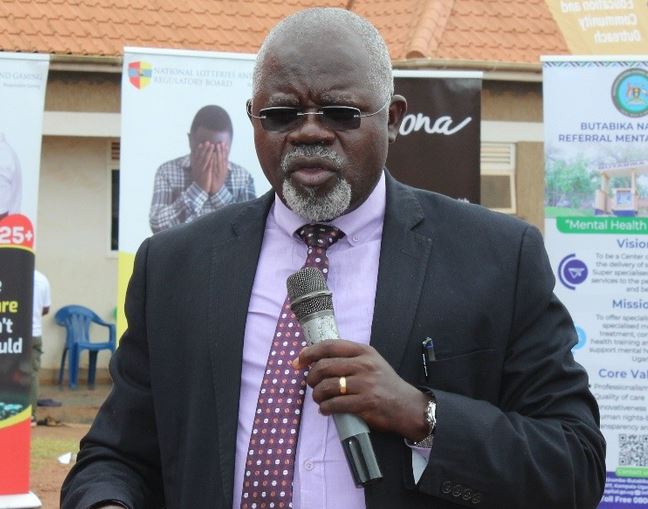
He revealed that the Ministry of Health has developed systems to deliver mental health and psychosocial support through Uganda’s incident command structure for emergencies. Health workers have been trained to provide psychological first aid, and guidelines have been issued for standardised care during disasters. Despite these gains, Dr. Driwale admitted that gaps remain, especially in coordination, funding, and public awareness.
“Many Ugandans are suffering in silence,” he said. “We must end the stigma that keeps people from seeking help. The problem is not saying you need support; the problem is hiding it.”
Hafsa Lukwata, the Assistant Commissioner for Mental Health and Control of Substance Use in the Ministry of Health, echoed these sentiments, warning that mental health conditions are rising sharply, especially among men and young people.
“While Uganda has established a strong mental health and psychosocial pillar for emergencies—something many countries now seek to emulate—our communities are still struggling,” Lukwata said. “Many men suffer quietly, young people are battling anxiety, and women remain the most affected by depression.”
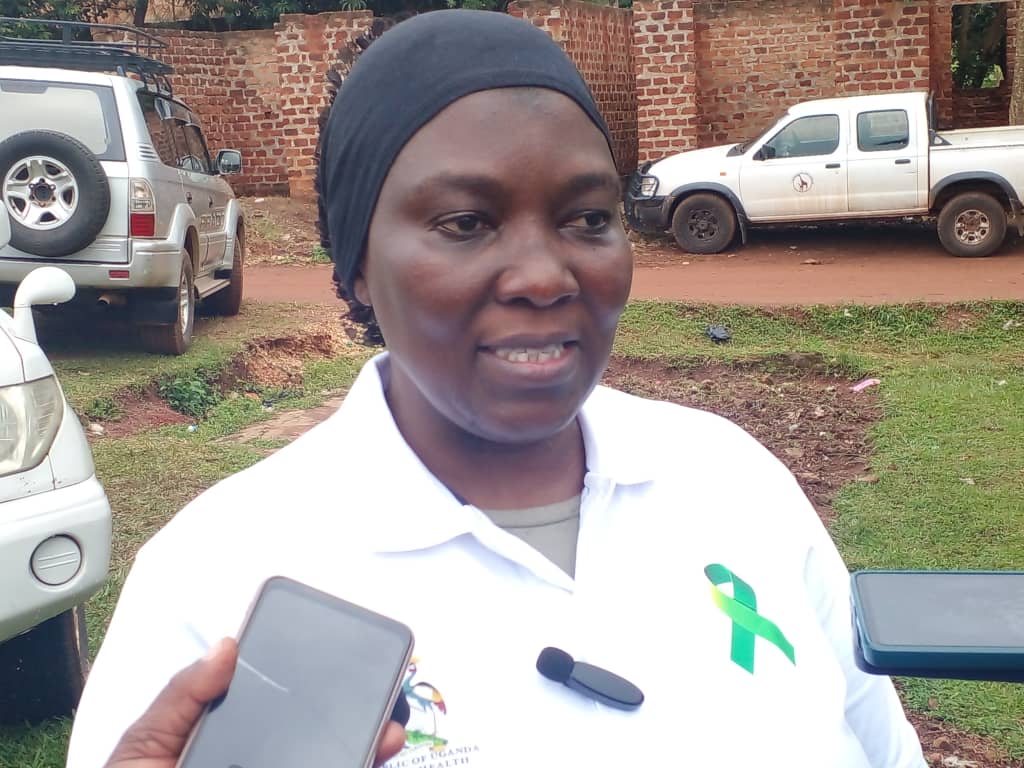
She cited studies showing that one in four Ugandans is currently living with a mental health condition, with depression and anxiety being the most common. Substance abuse, particularly alcohol use, has also become a growing concern. “We need to encourage open conversation and early help-seeking to prevent these conditions from worsening,” Lukwata added.
Among those who shared their experiences were survivors of the Kiteezi garbage slide, who spoke about the lingering emotional and economic scars left by the disaster.
“I lost everything—my home, my business, and even my family,” said Pastor Ariho Joshua, one of the survivors. “I still get nightmares of my wife and child buried under the garbage. We have never been compensated, and we are struggling to rebuild our lives.”
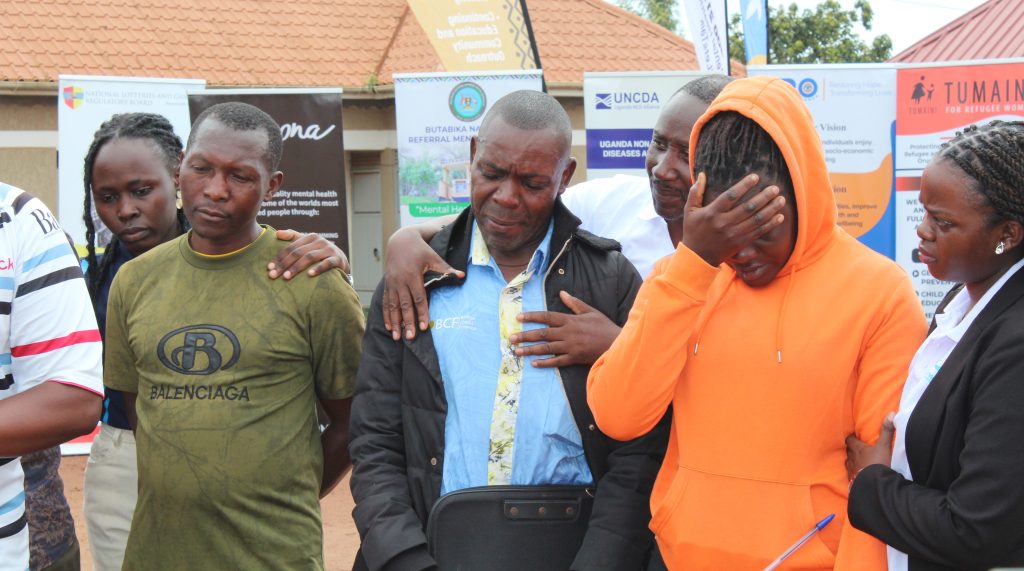
Another survivor, Mutawe Fred, described the mental anguish of displacement and uncertainty. “The government gave us two million shillings for rent, but that money is long gone,” he said. “We have no jobs, no food, and our landlords are evicting us. We are not criminals—we are victims of negligence.”
Dr. Kenneth Okware Kalani, a psychiatrist who attended the event, stressed that trauma-related disorders among disaster survivors are real and require structured psychosocial support. “Post-traumatic stress is not just about memories; it changes how people think, feel, and function,” he said. “Without professional help, these survivors may never fully recover.”
As the commemoration concluded, health officials, humanitarian agencies, and community members pledged to prioritize mental health in all phases of disaster preparedness and response.